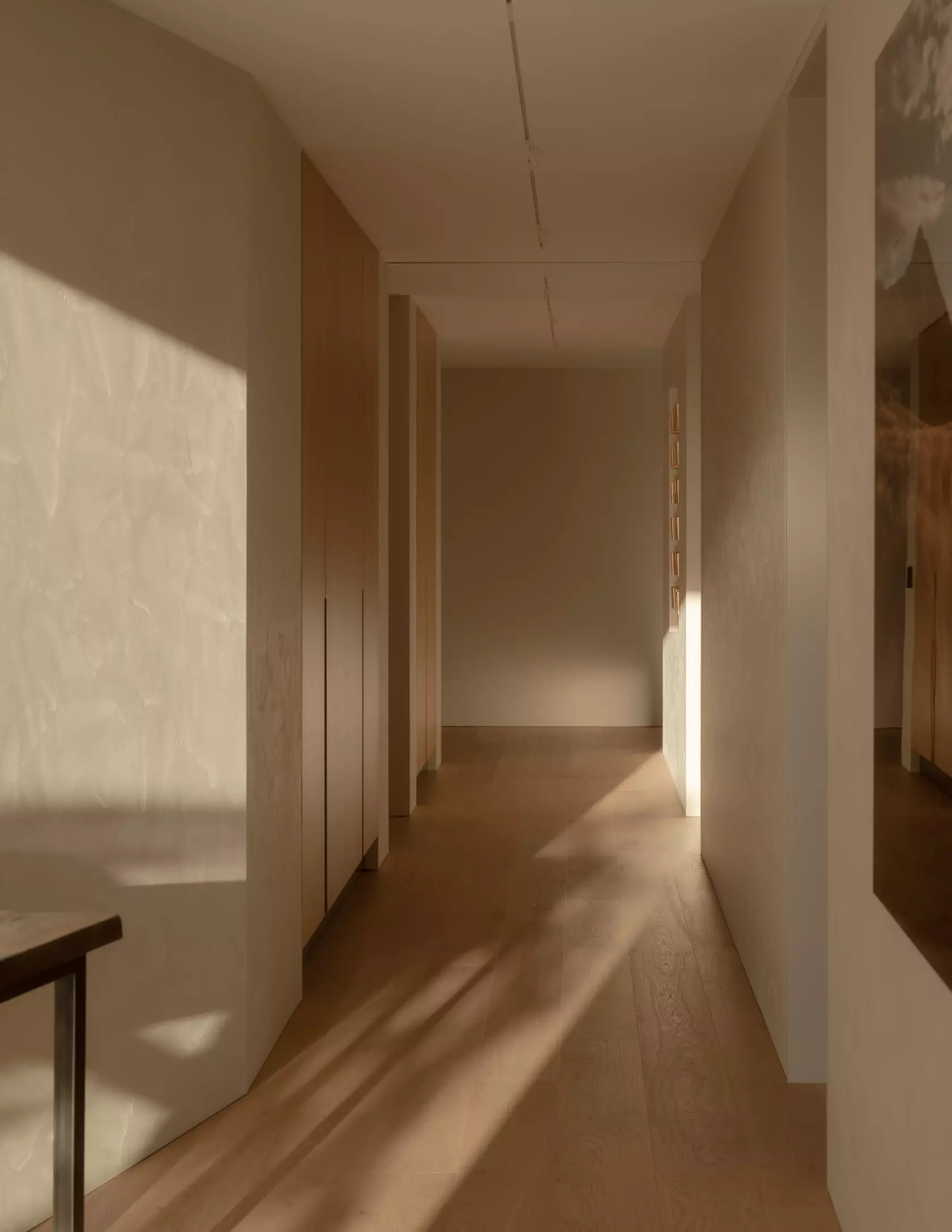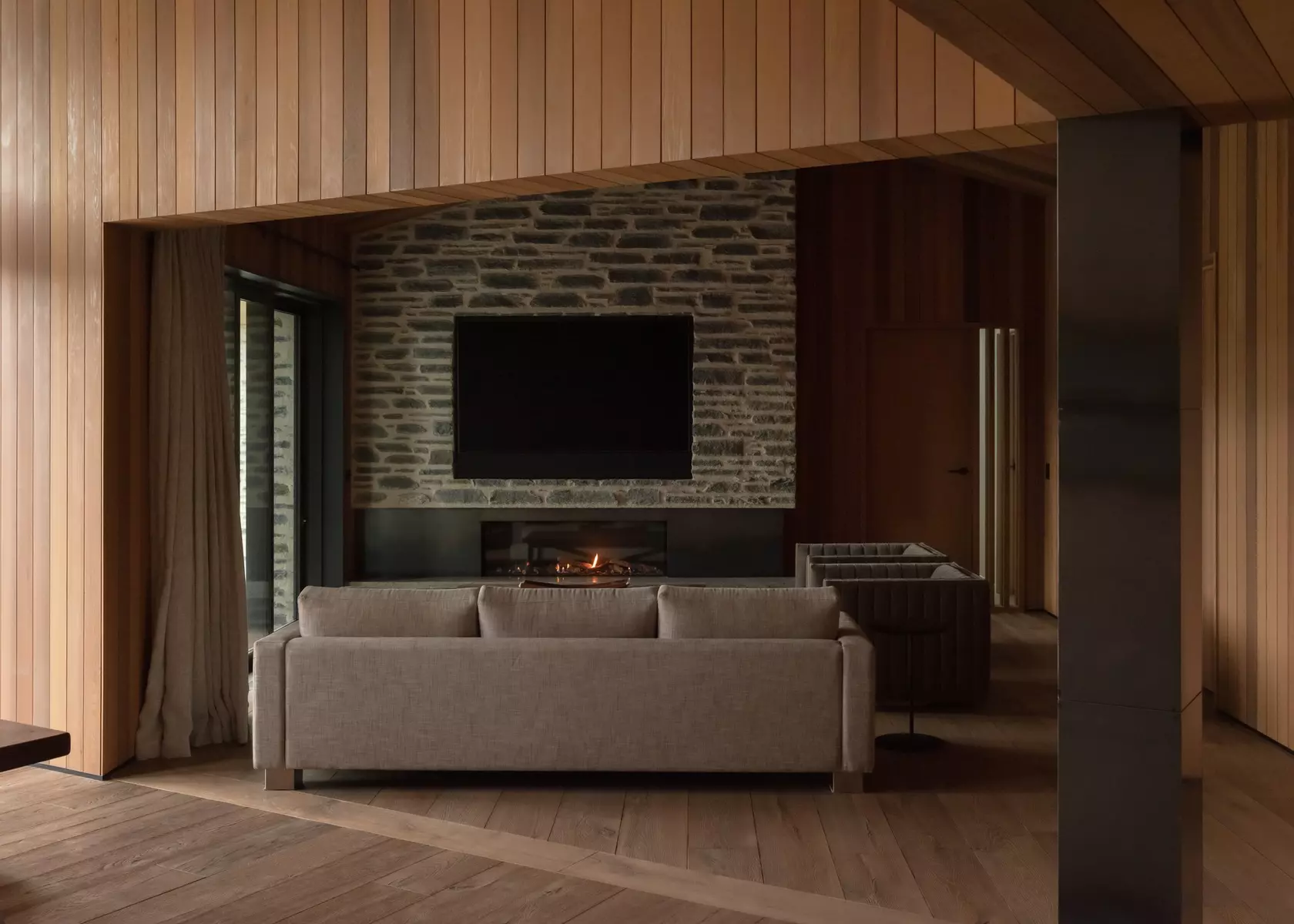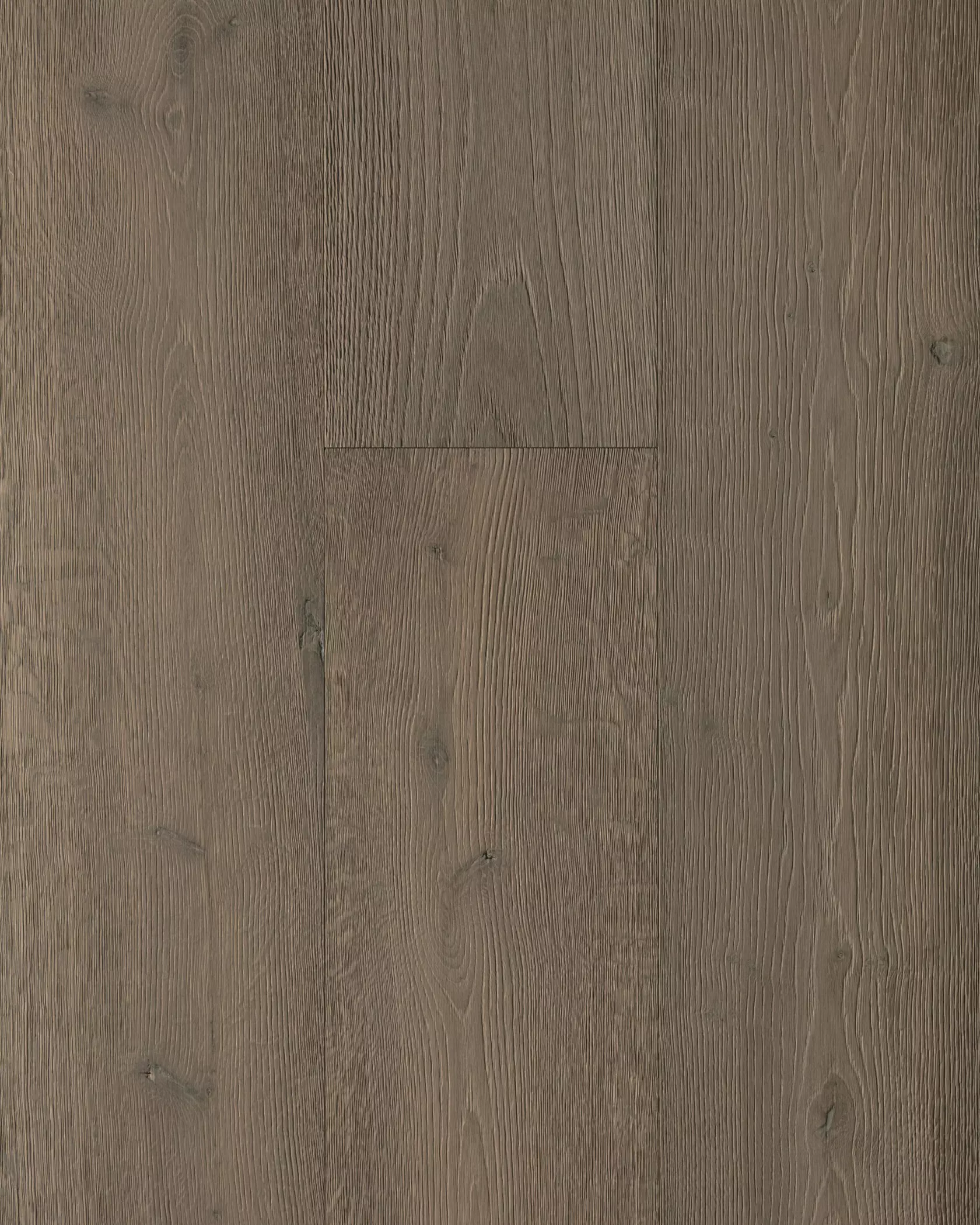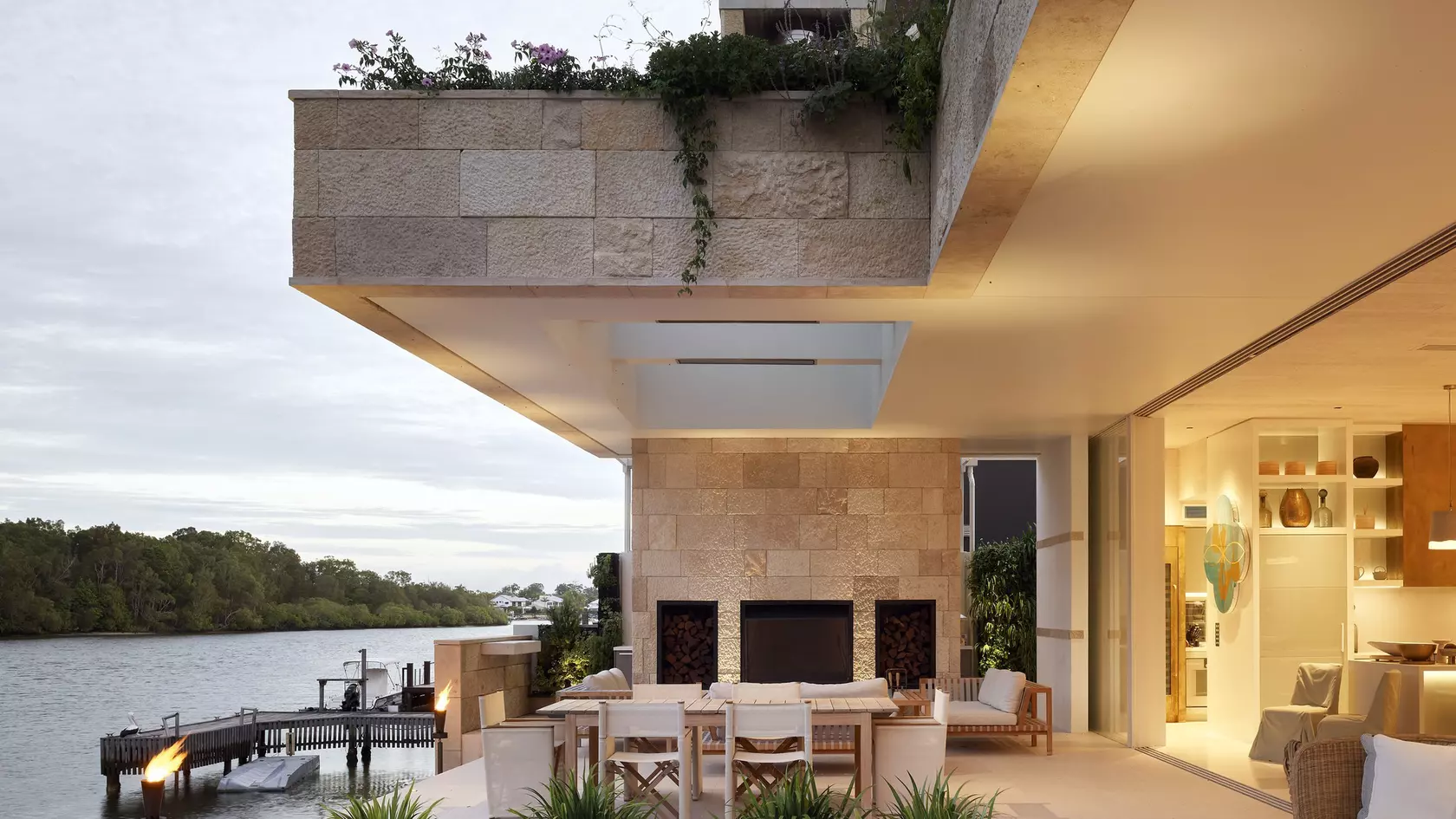
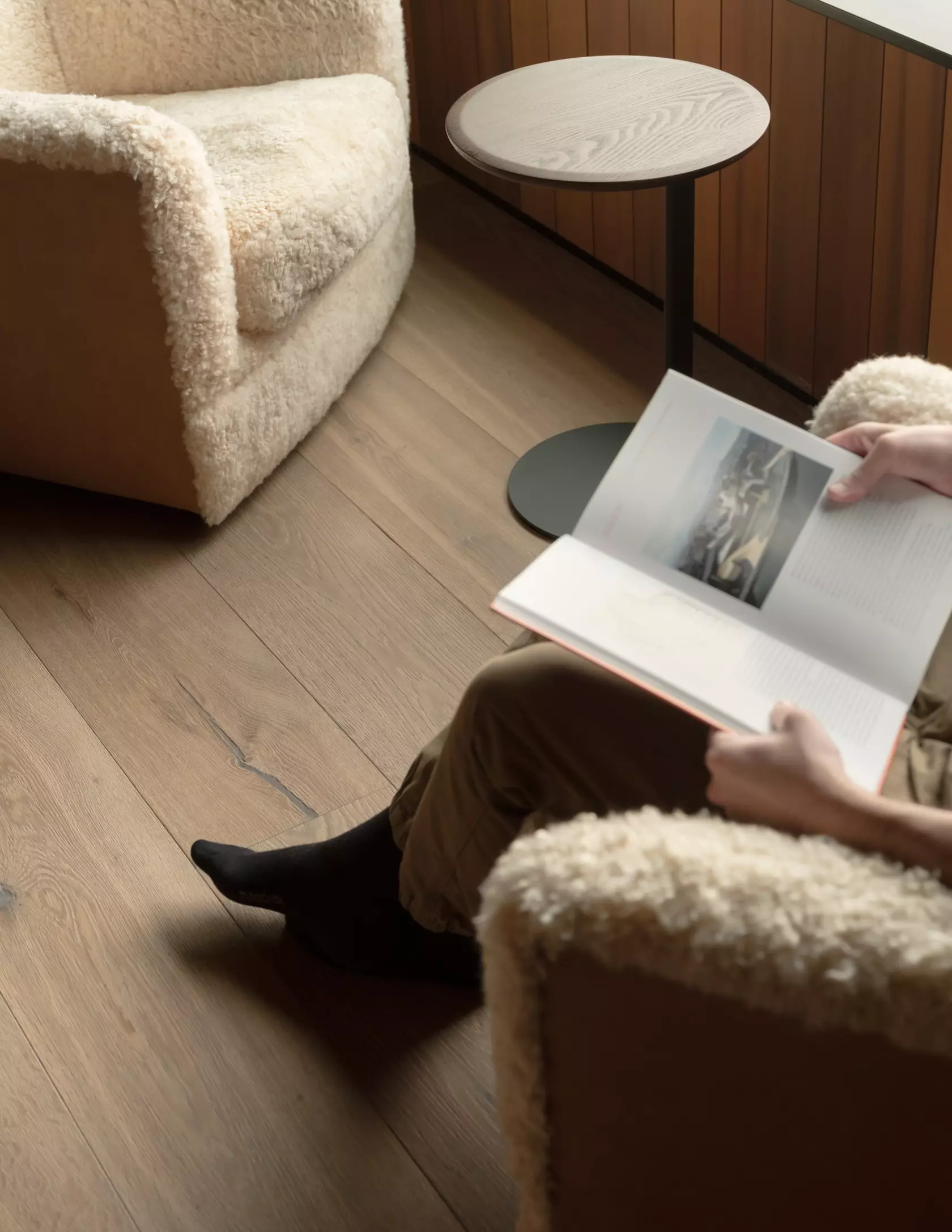
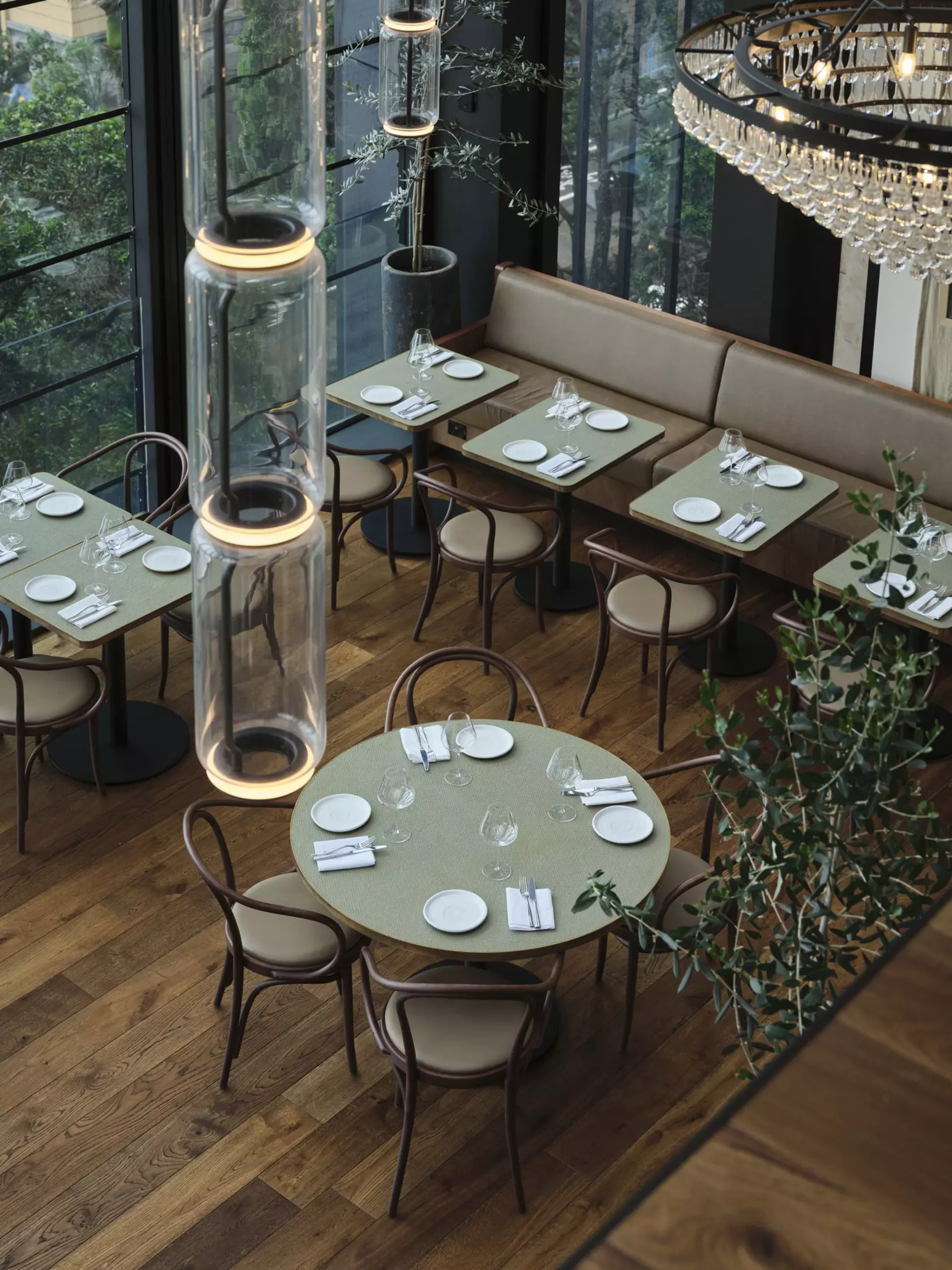
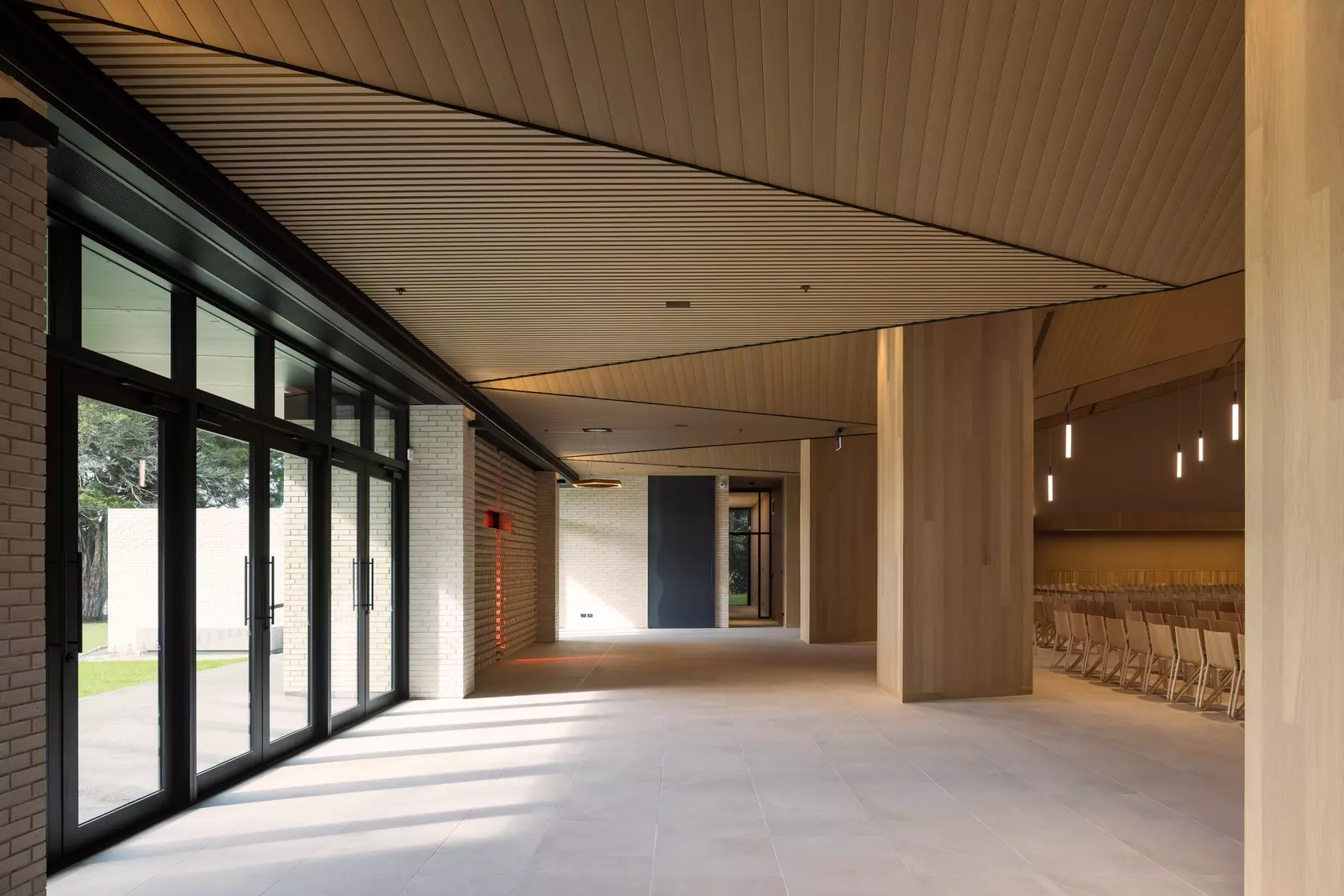
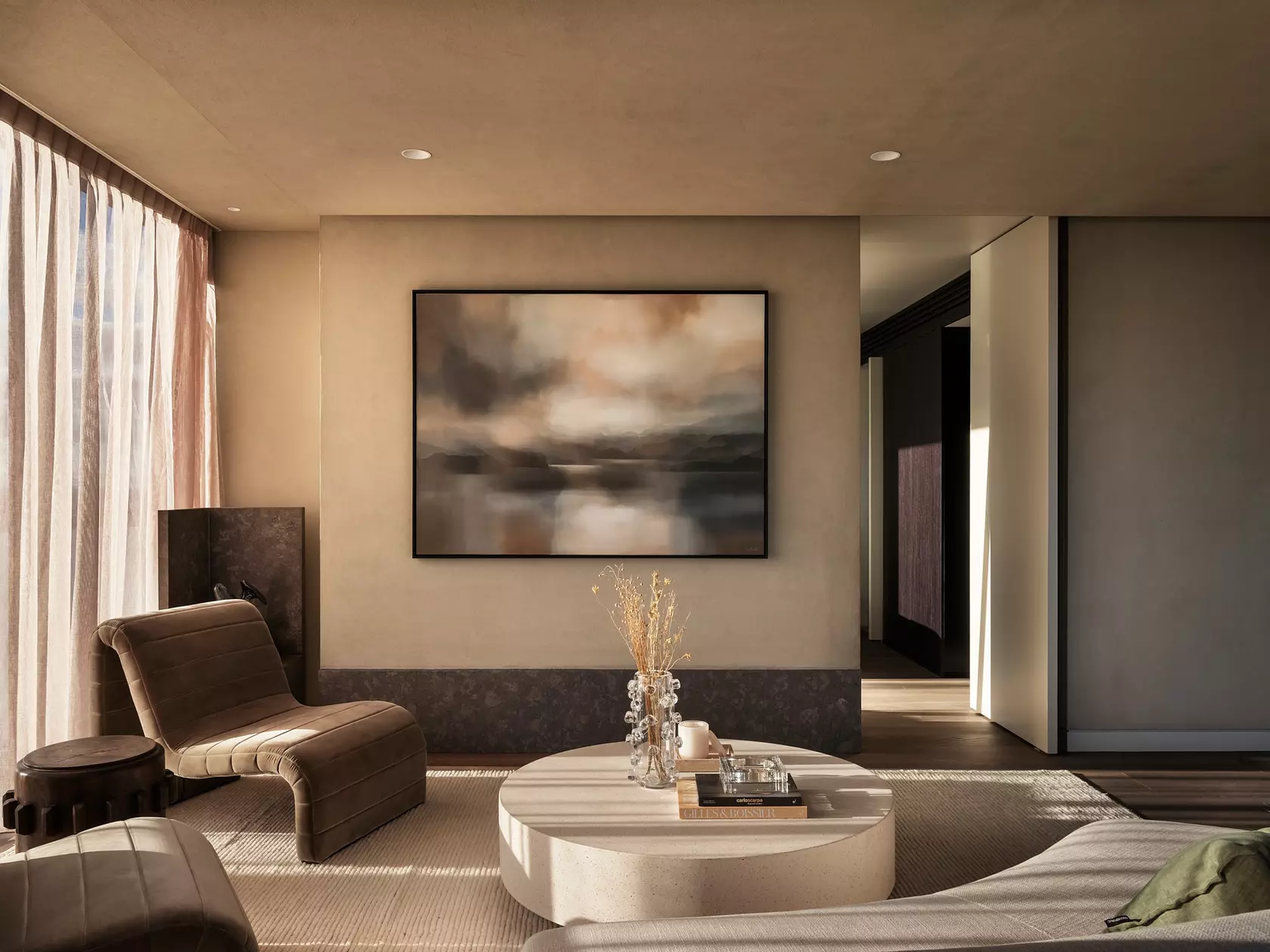
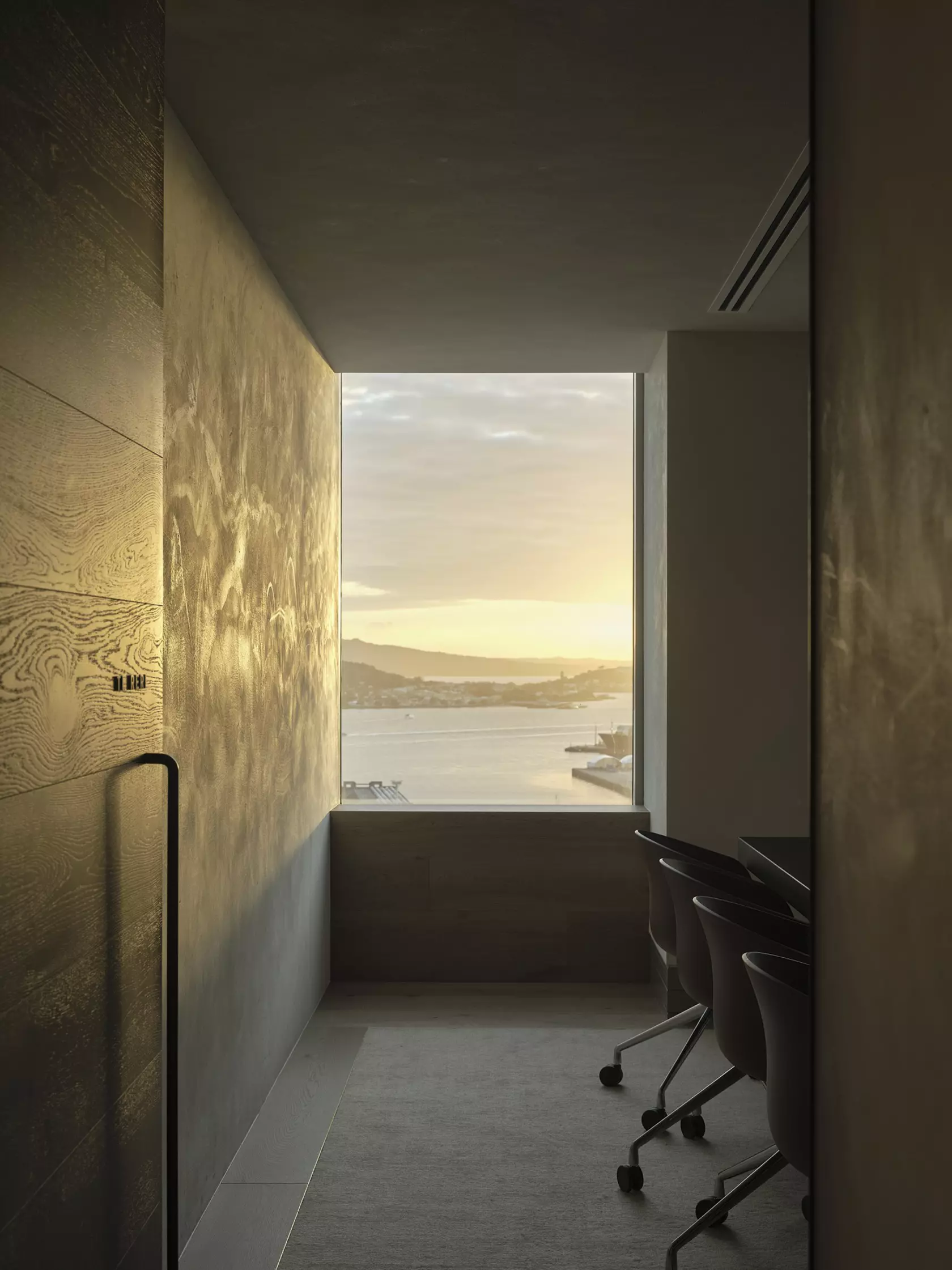
Engineered Timber Overlay Flooring System

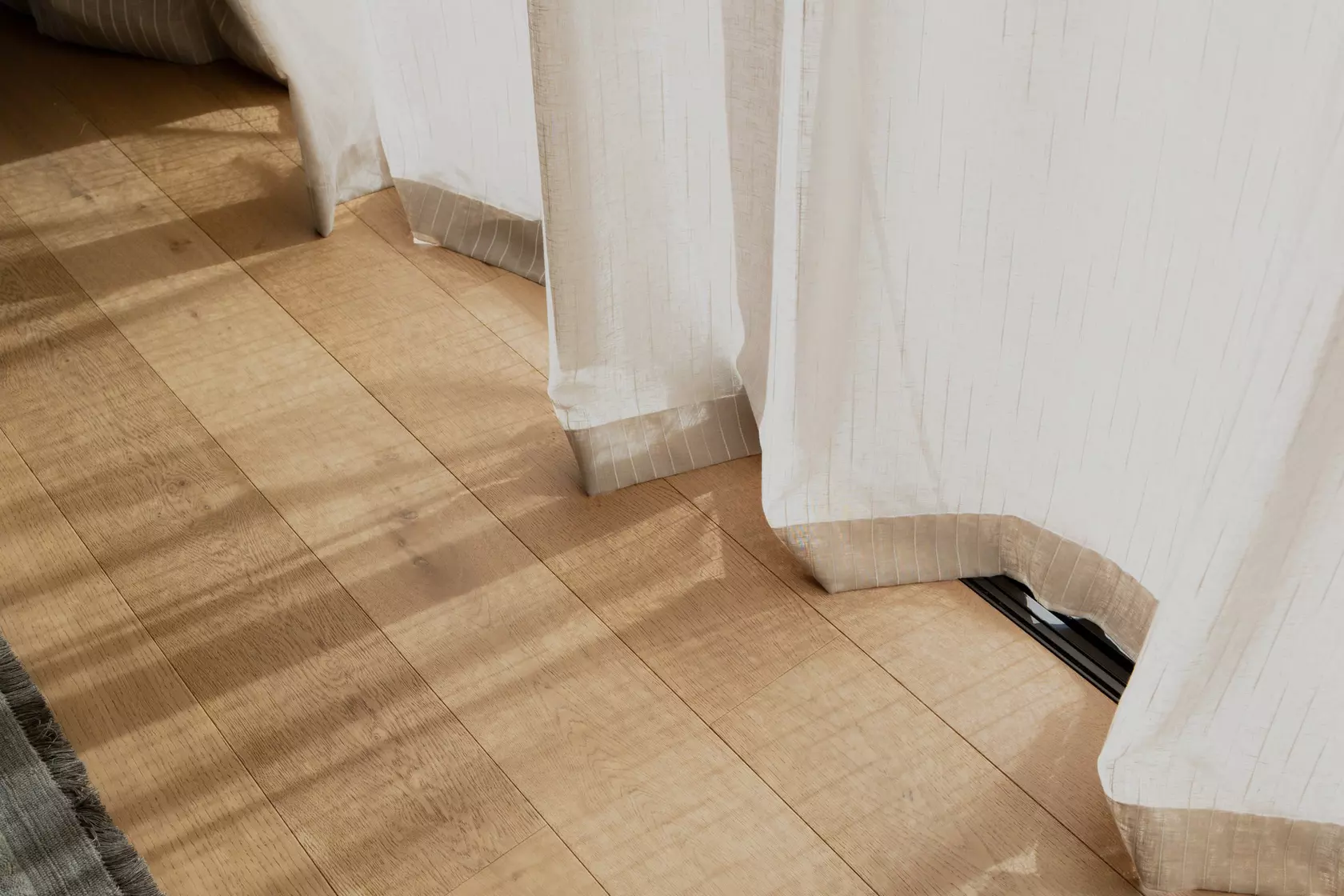
Engineered for lasting performance, our CodeMark certified timber flooring combines the strength and stability of advanced construction with the natural beauty of real timber. Built for New Zealand homes, every collection is designed to perform as beautifully as it looks — for the life of your floor.

Our flooring combines curated, authentic timber finishes with engineered performance designed for New Zealand and Australian lifestyles. Prefinished for convenience and crafted to the highest standards, every board undergoes real-world testing and rigorous quality control to deliver industry-leading durability, stability and long-term peace of mind. We're proud to be the only supplier in New Zealand with a CodeMark certified flooring system, giving specifiers and homeowners a documented, independently verified pathway to compliance.

Why Use The Forté Flooring System
Scope & Limitations of Use

Forté's Timber Overlay Flooring System is designed for glue-down installation across a range of approved substrates. Each substrate type carries its own specific requirements around acoustic performance, underfloor heating compatibility, and wet area detailing, all of which are addressed in full within the Design Guide.

Alternative substrates not listed must be assessed individually, with specific primers, screeds or adhesives confirmed by Forté Technical Support before installation.

Key specification points:

  • Approved substrates: concrete (slab-on-grade or suspended), structural plywood, particleboard/OSB/existing solid timber, and fibre cement substrates (e.g. Marmox Multiboard)

  • Flooring must be fully adhered to a structurally sound, fixed substrate — not suitable over floating, loose-laid, or decoupled layers

  • IIC 55 acoustic rating required for multi-storey buildings

  • Compatible with hydronic and in-screed underfloor heating systems (substrate-dependent)

  • Wet area (E3) installations require Forté's Alternative Solution, or an E3/AS2 membrane depending on substrate

  • Additional requirements apply for accessible stairway design (D1)

  • Suitable for all areas other than garages and commercial kitchens

  • Must be separated from fuel-burning appliances, flues, and chimneys per NZBC Section C AS/1

  • Contact Forté for single runs of flooring exceeding 15 metres

  • Alternative/non-standard substrates require individual assessment and confirmation from Forté Technical Support

Full scope, limitations and technical detailing are set out in our Timber Overlay Flooring System Design Guide.

Download our Timber Flooring Design Guide
Additional Applications

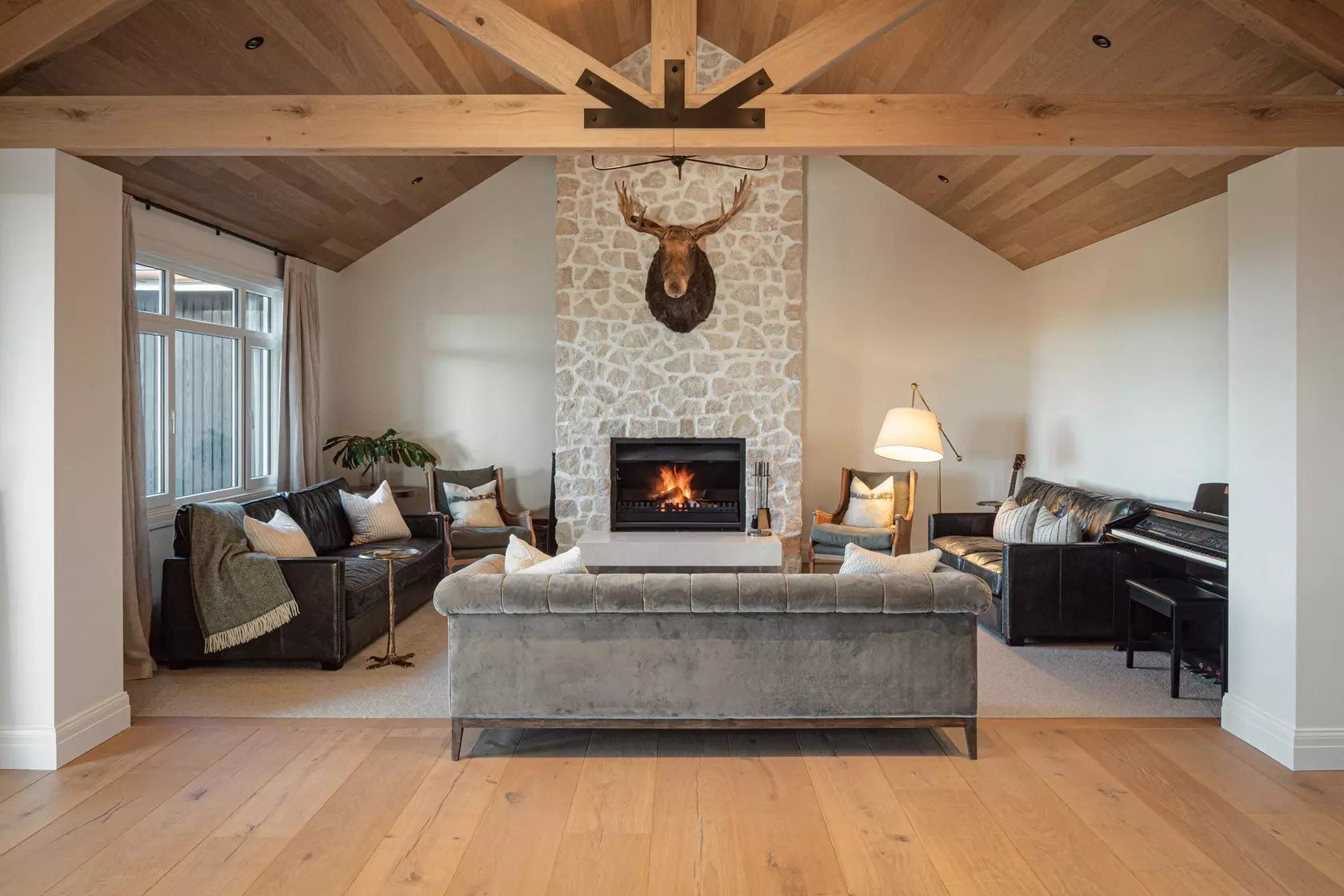
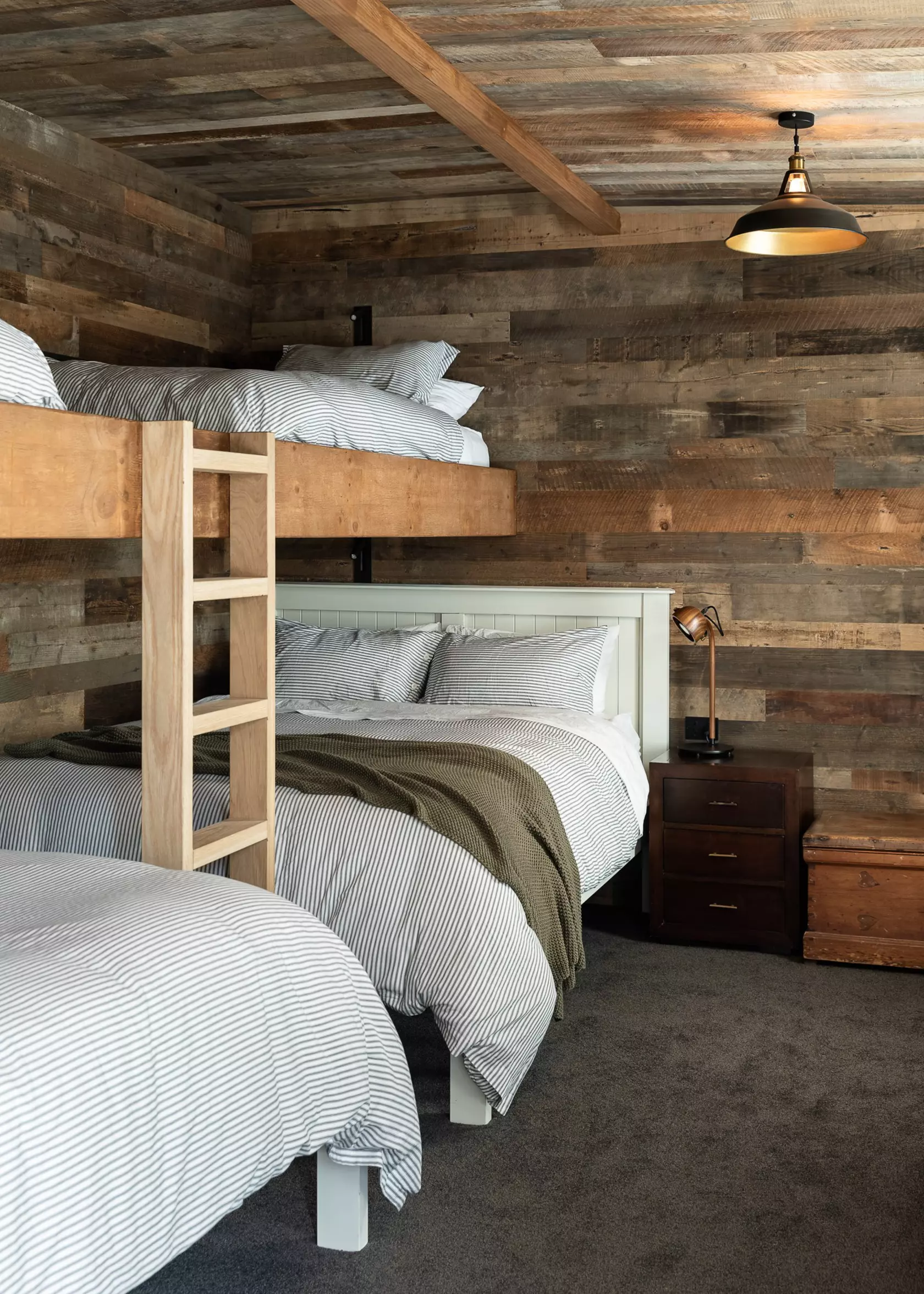
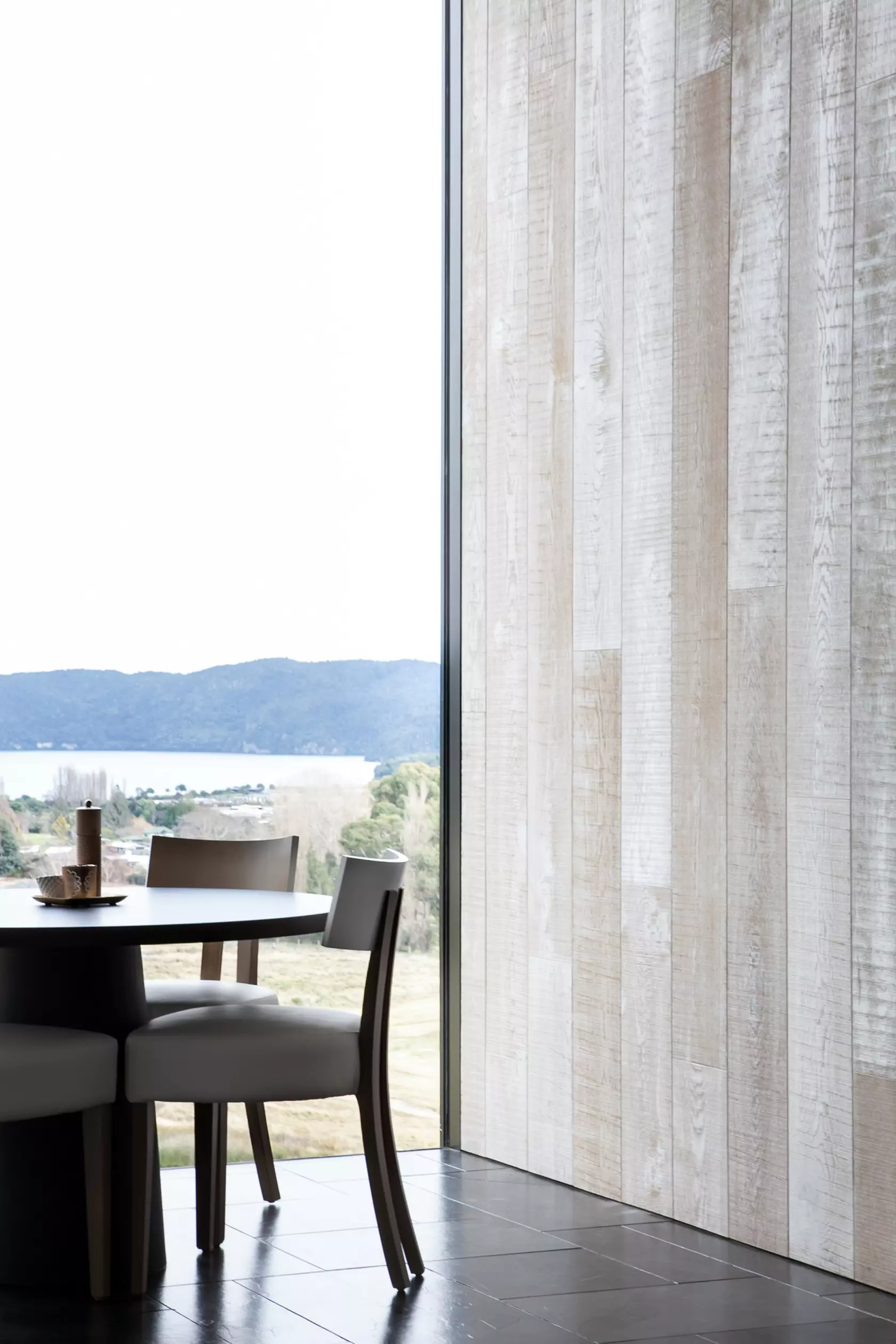
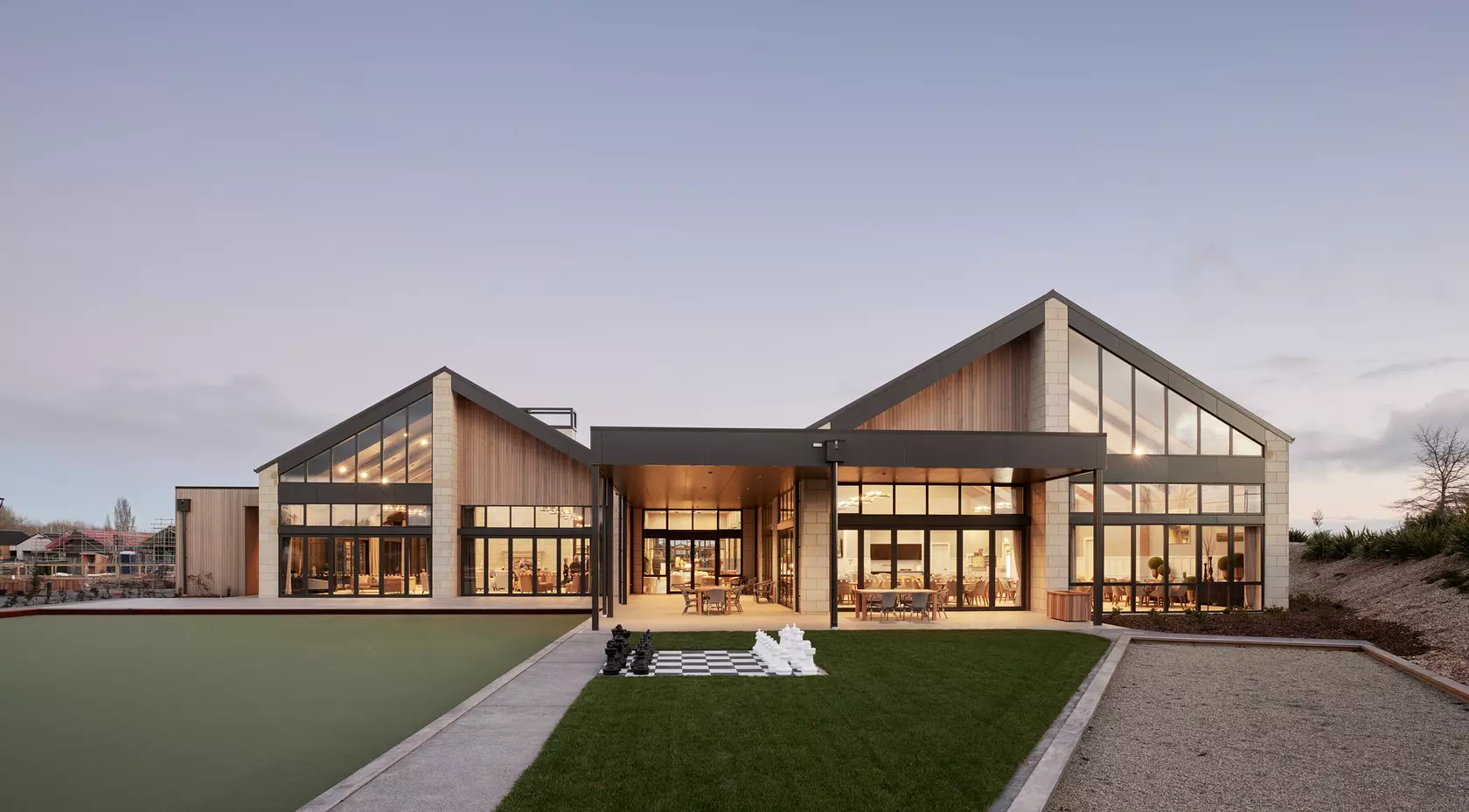
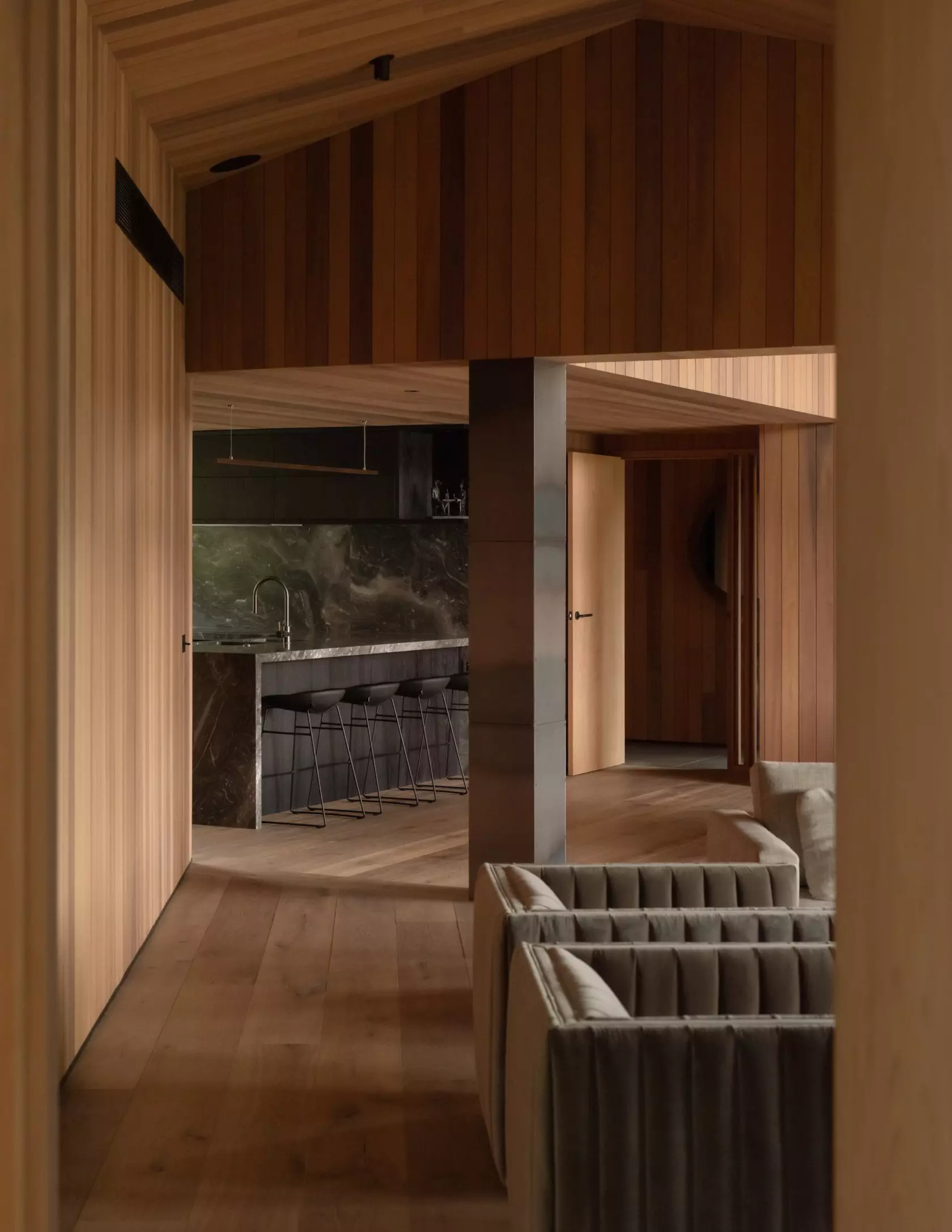
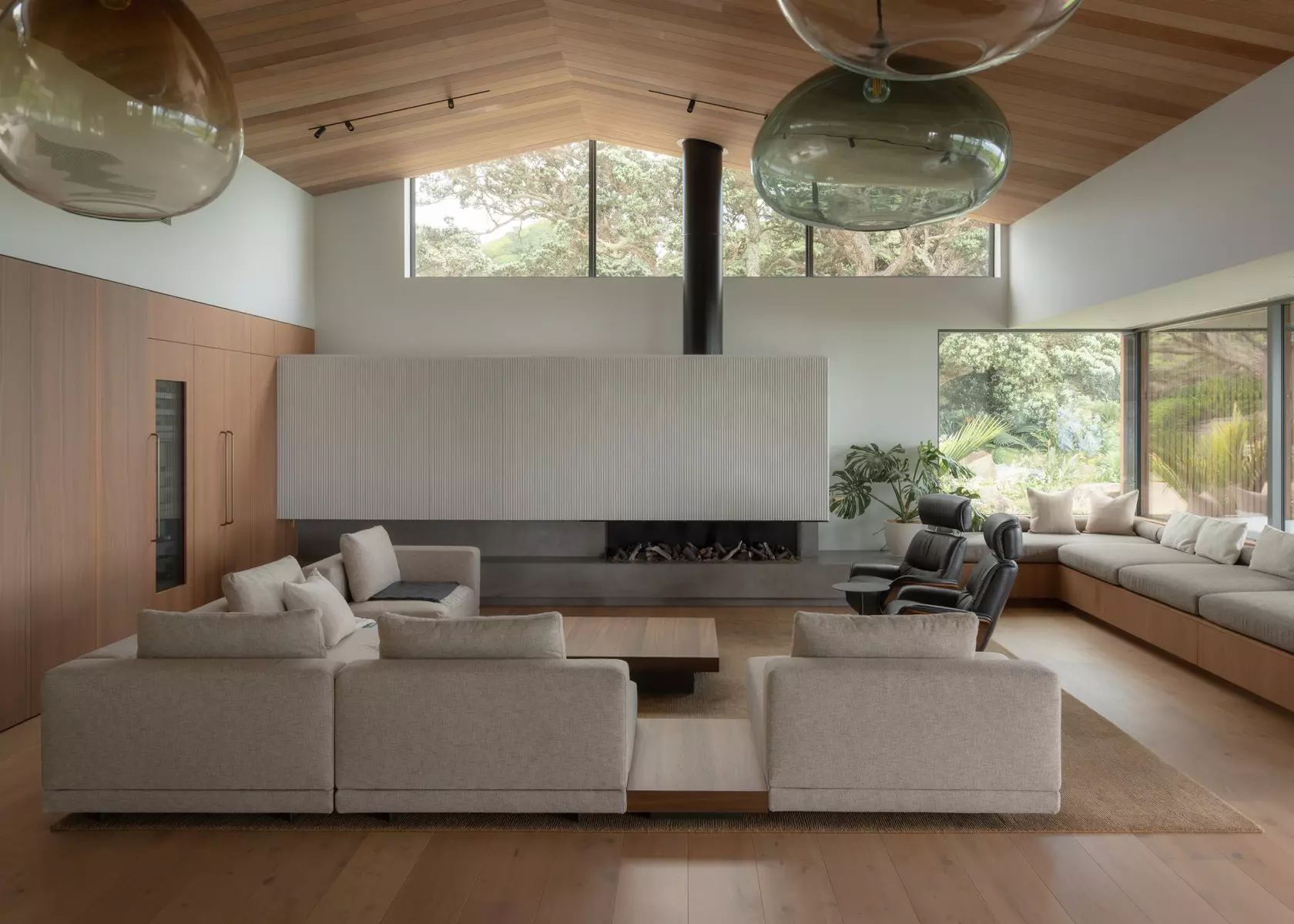
Forté's engineered timber flooring offers exceptional strength and versatility, adapting effortlessly to a variety of architectural styles and complex detailing, enabling a seamless, durable and visually striking finish across a range of applications — from floors to walls, ceilings and stairs.

Stairs

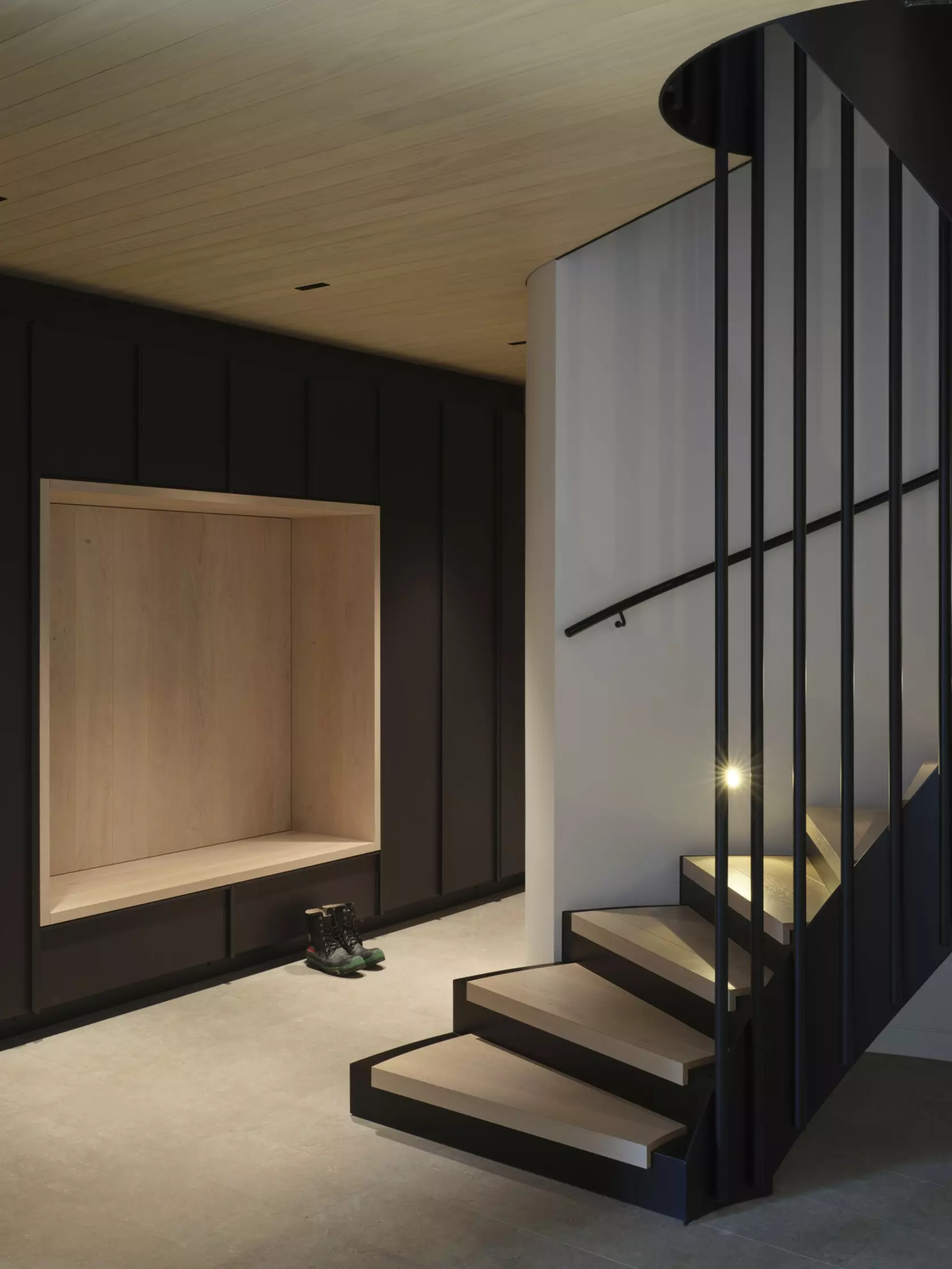
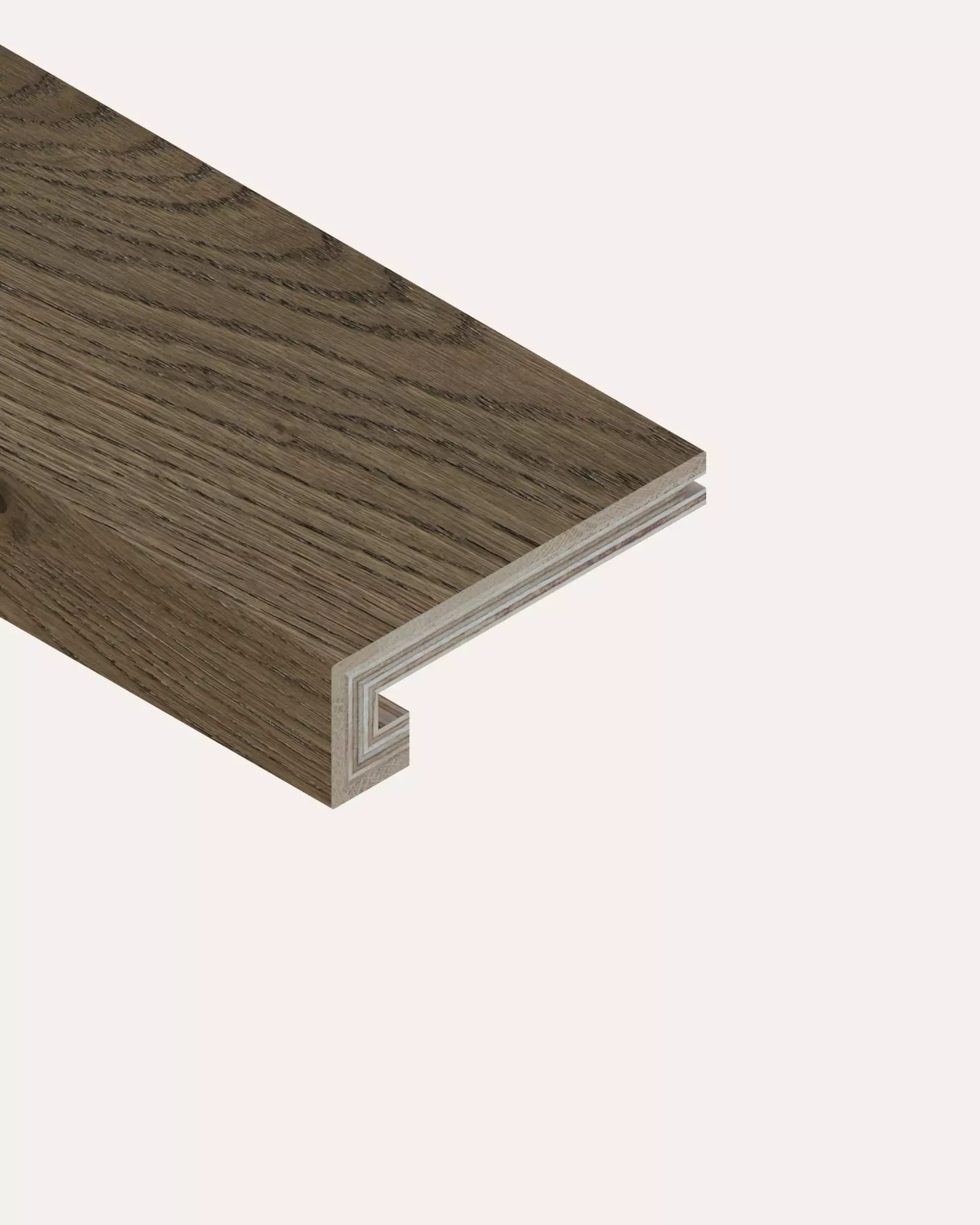
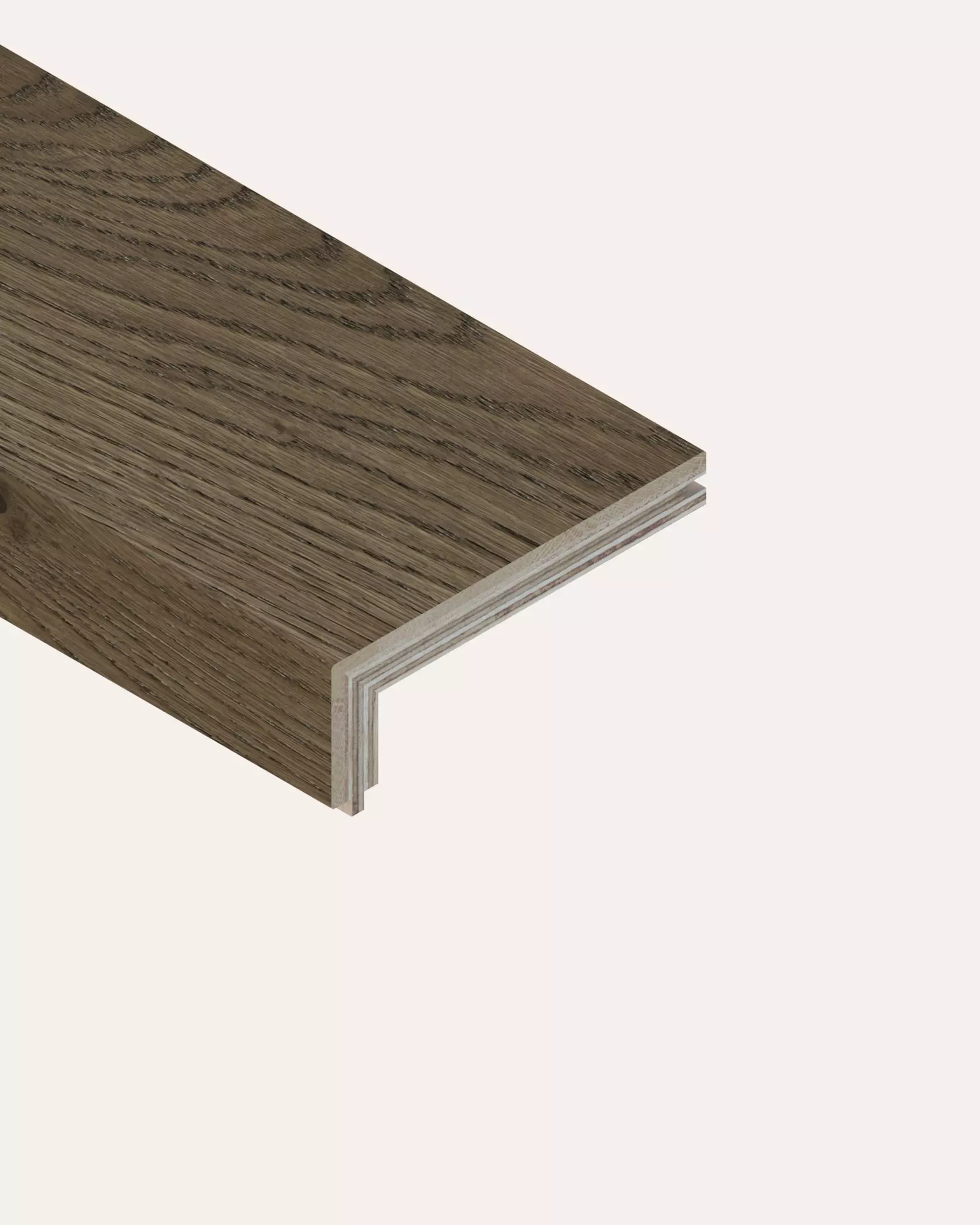
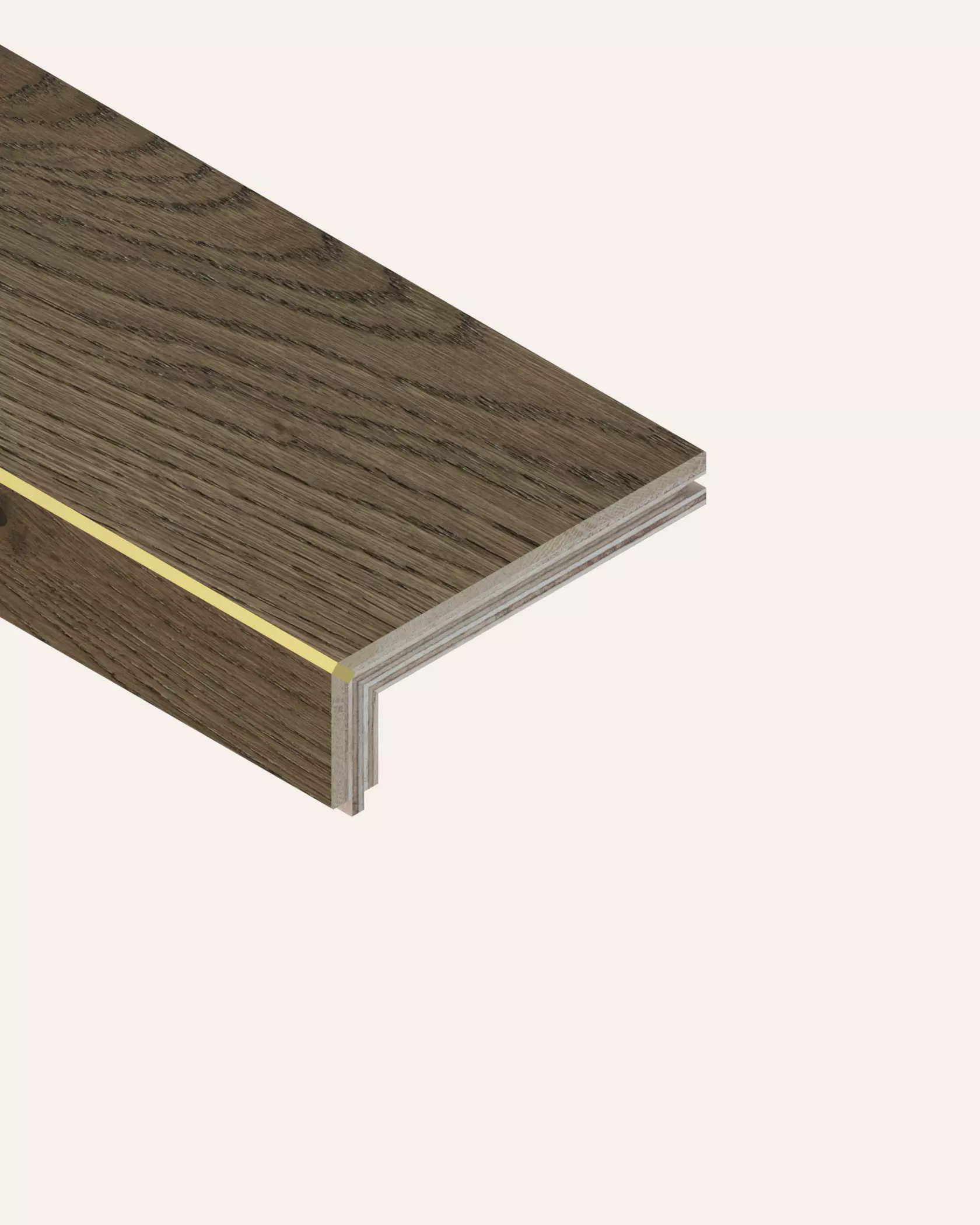
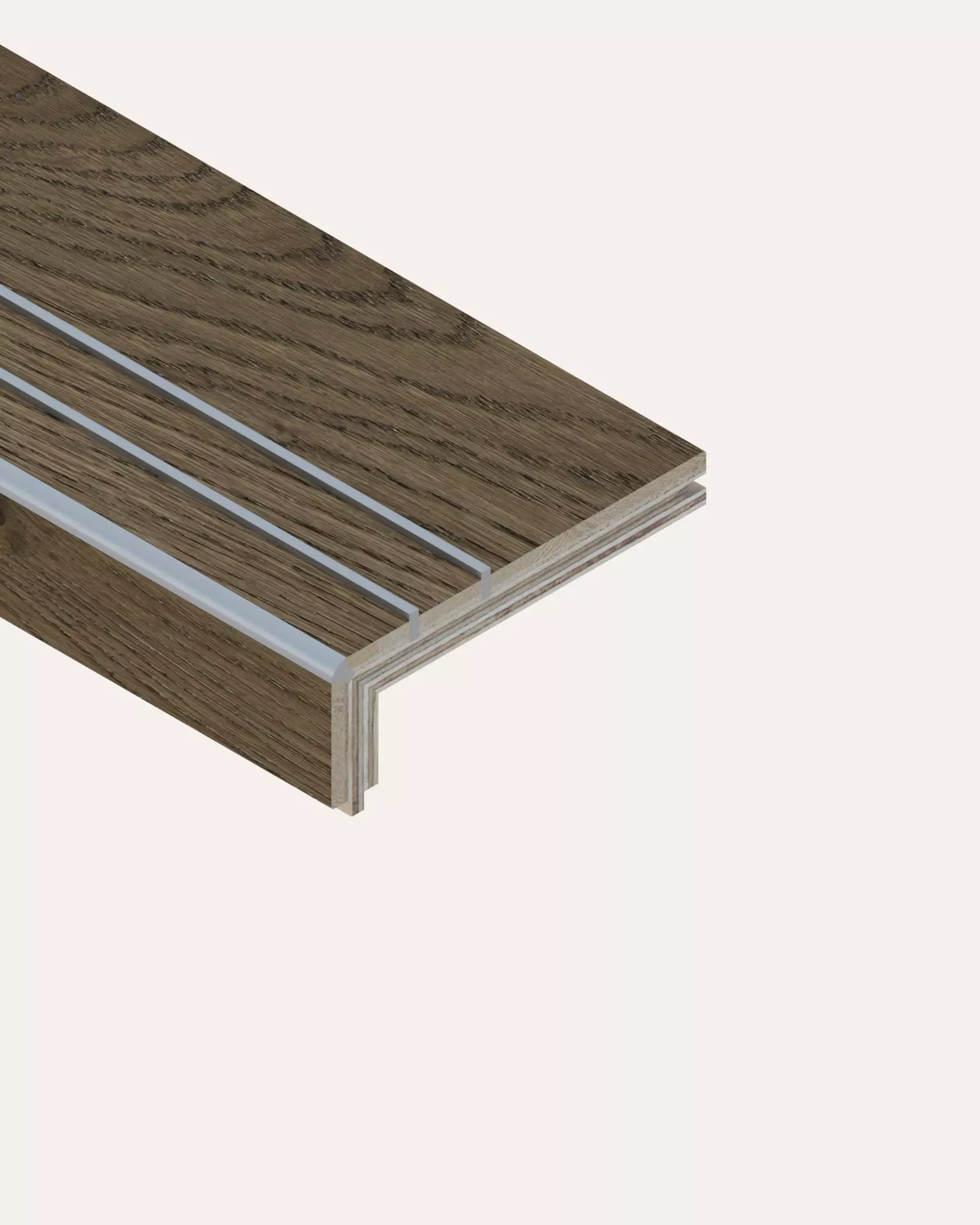
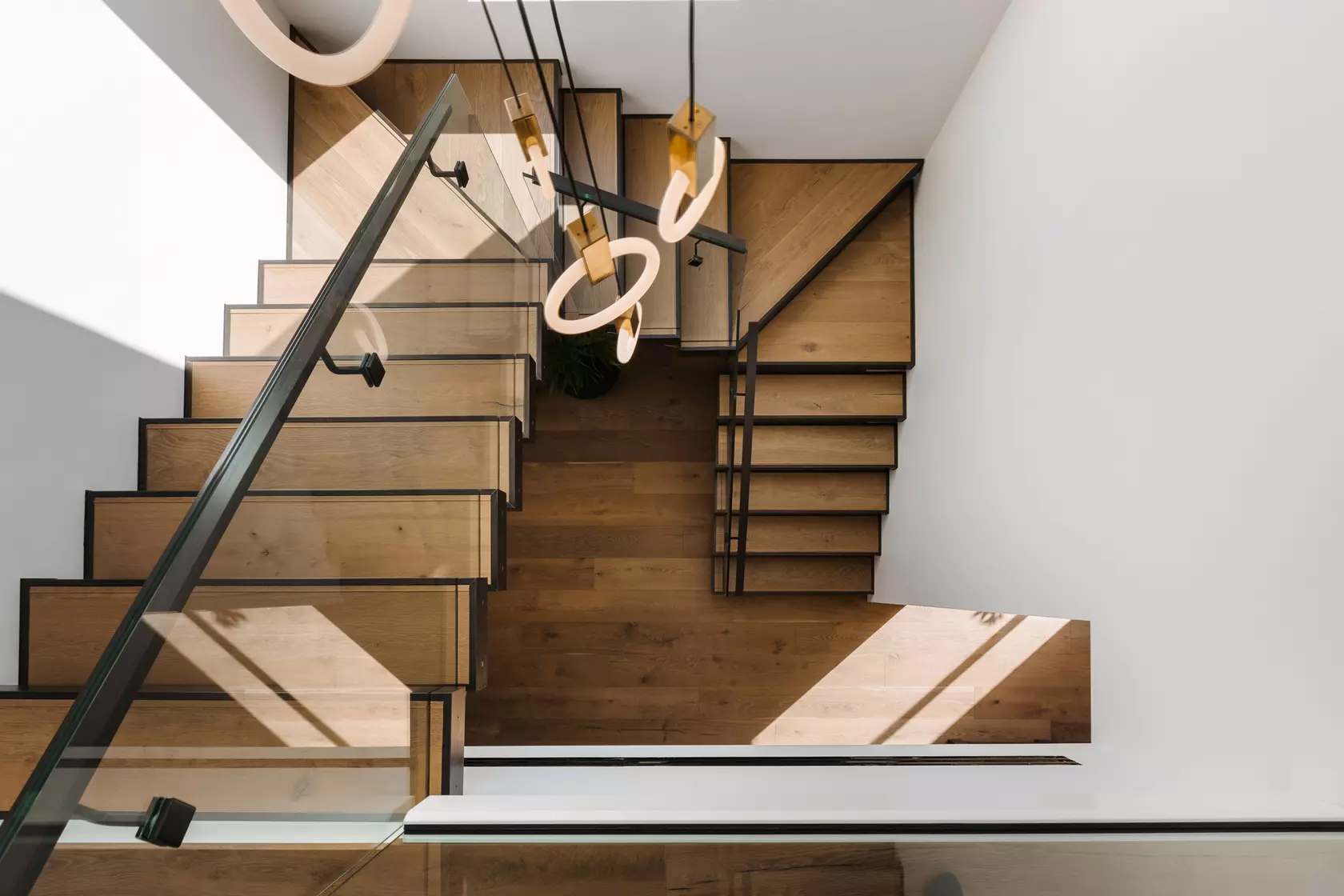
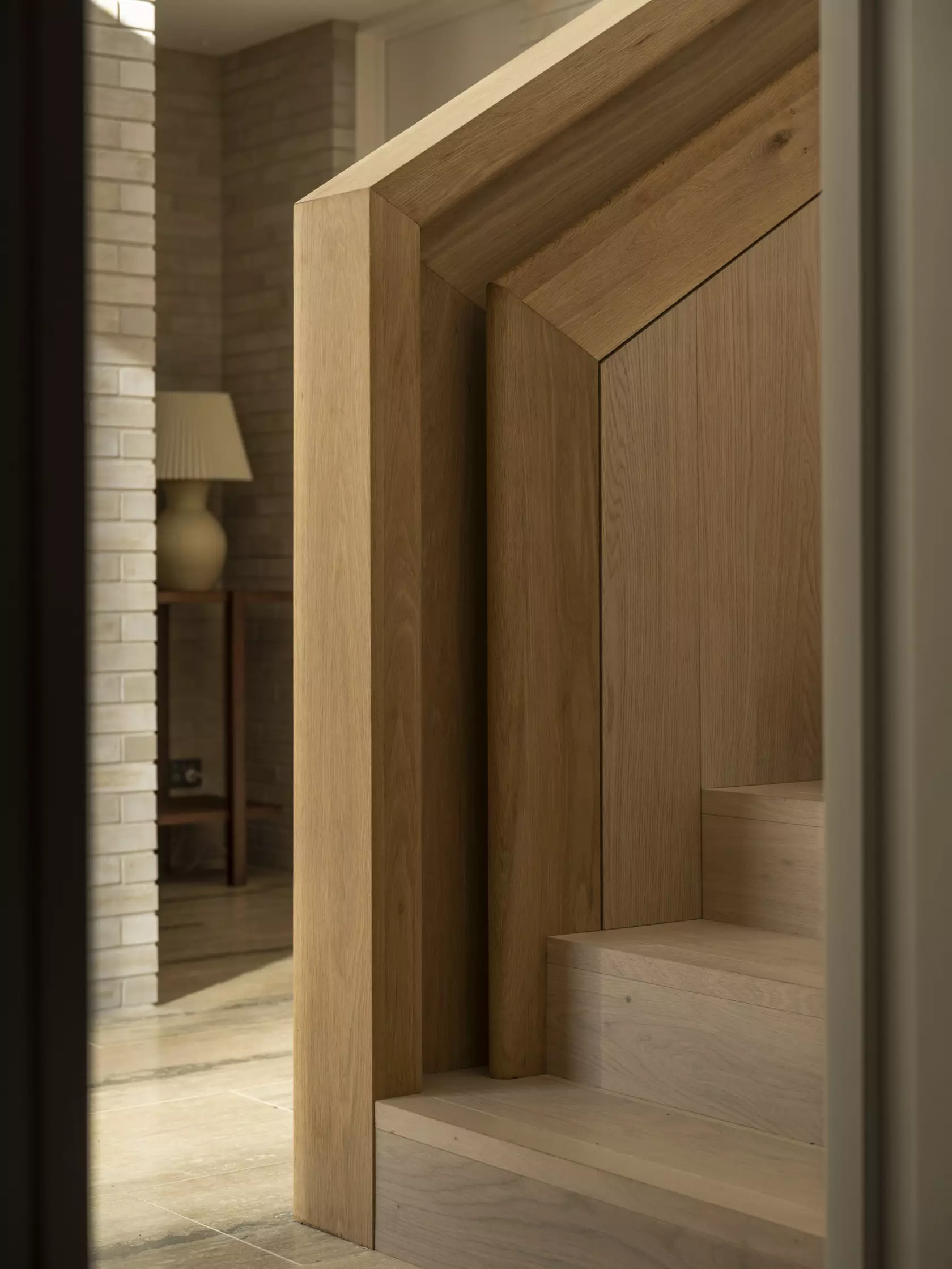
Where a staircase becomes a design statement in its own right, our engineered timber can be carried across treads, risers and stringers to match the flooring underfoot — turning a stairway into a continuation of the floor rather than a break in it, with the same grain, tone and finish running seamlessly from room to room.

Mudrooms & Alcoves

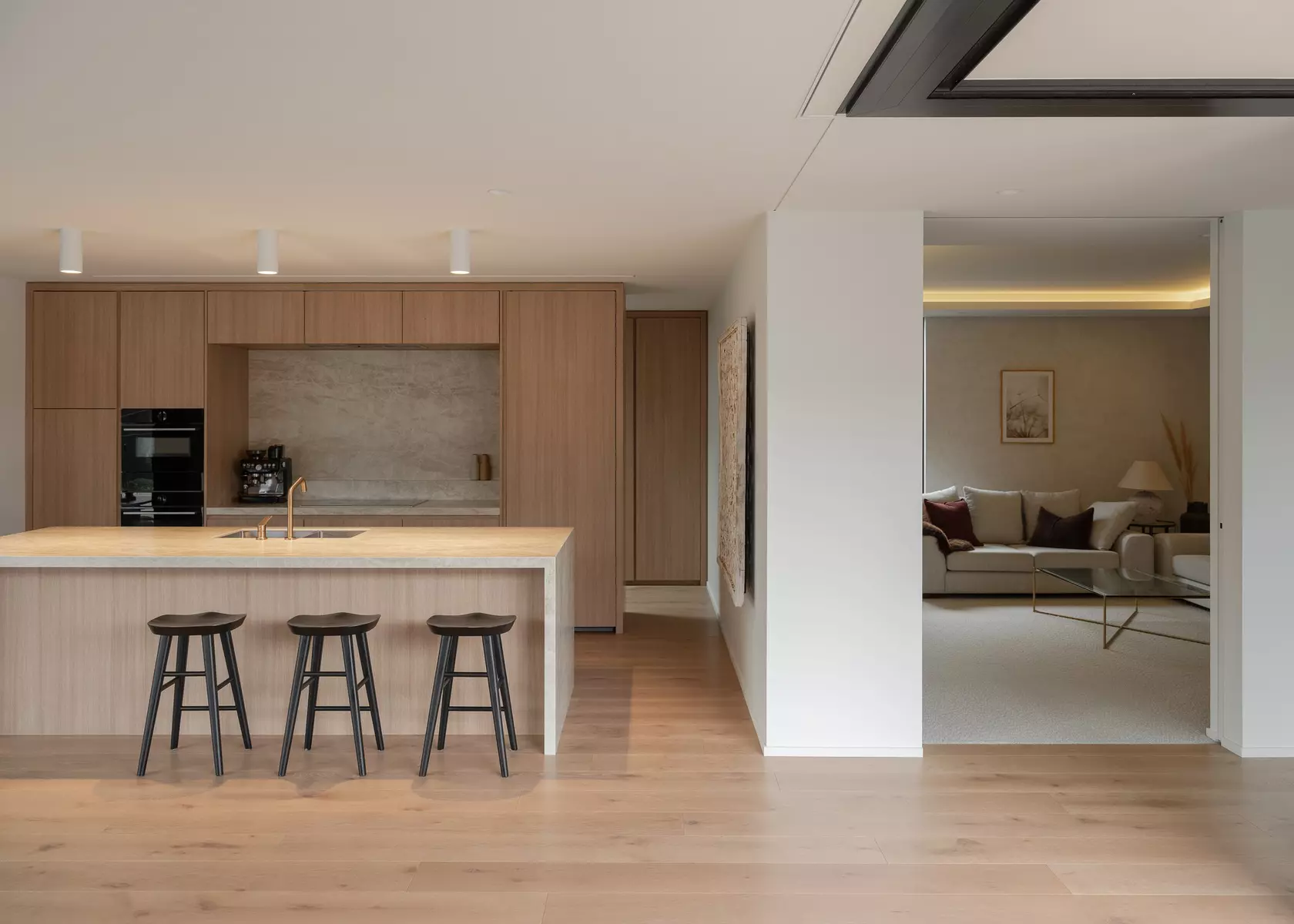
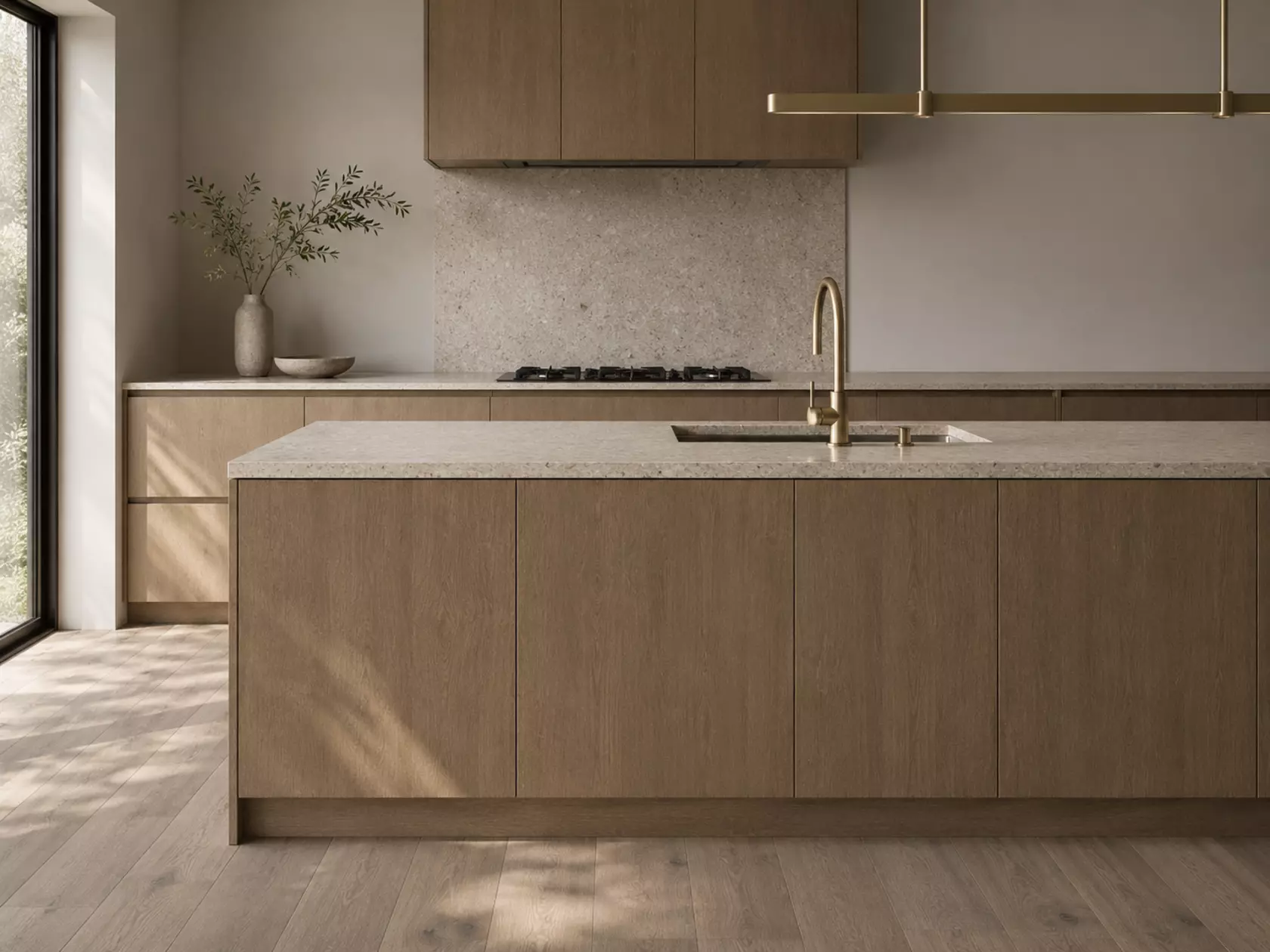
Timber flooring doesn't need to stop at the floor's edge. Extending our flooring collections into mudroom nooks, alcoves and the sides of kitchen islands creates a considered, uninterrupted material story throughout a home — turning practical, high-touch spaces into moments of quiet craftsmanship rather than afterthoughts.

Ceilings

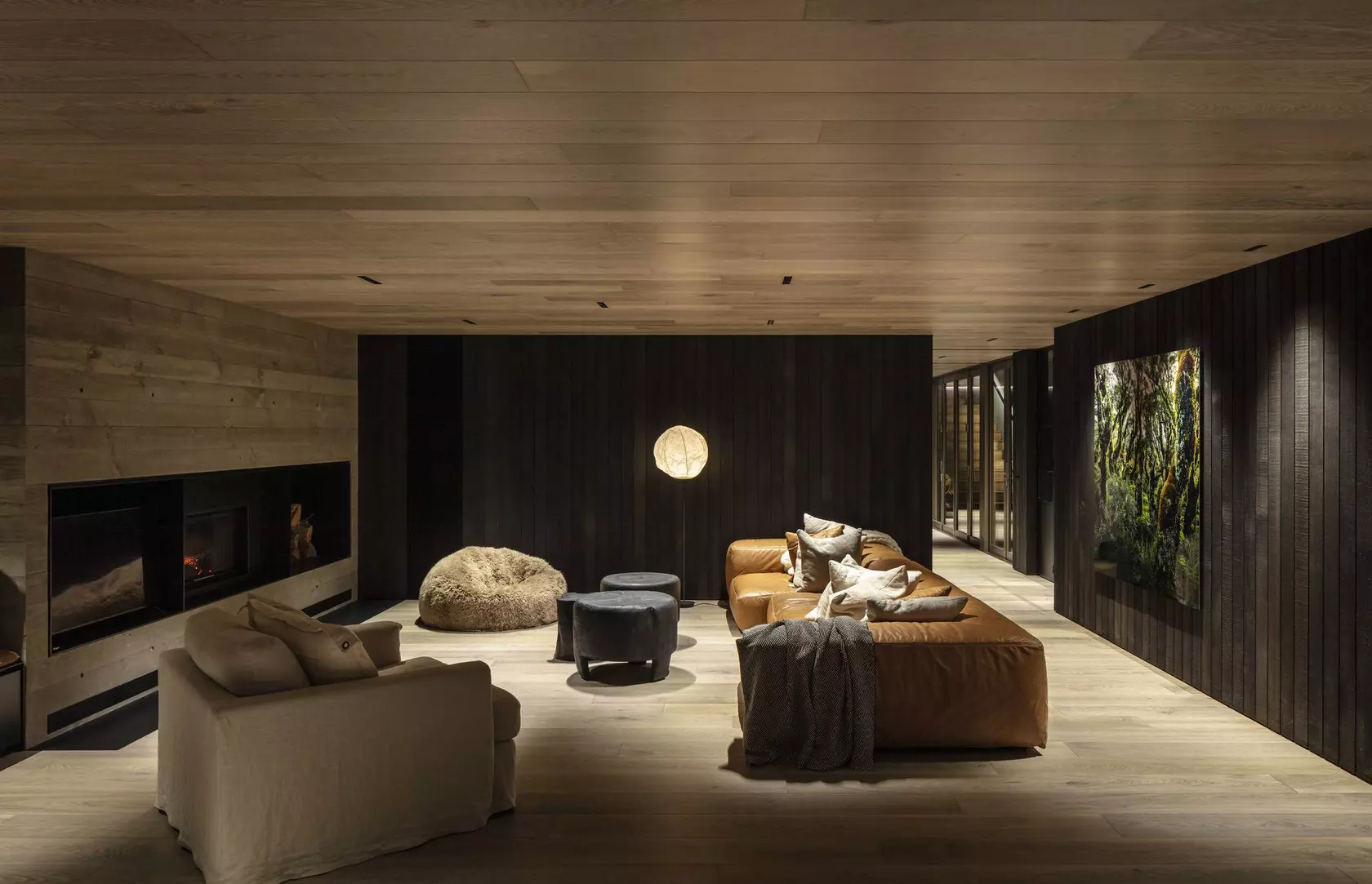
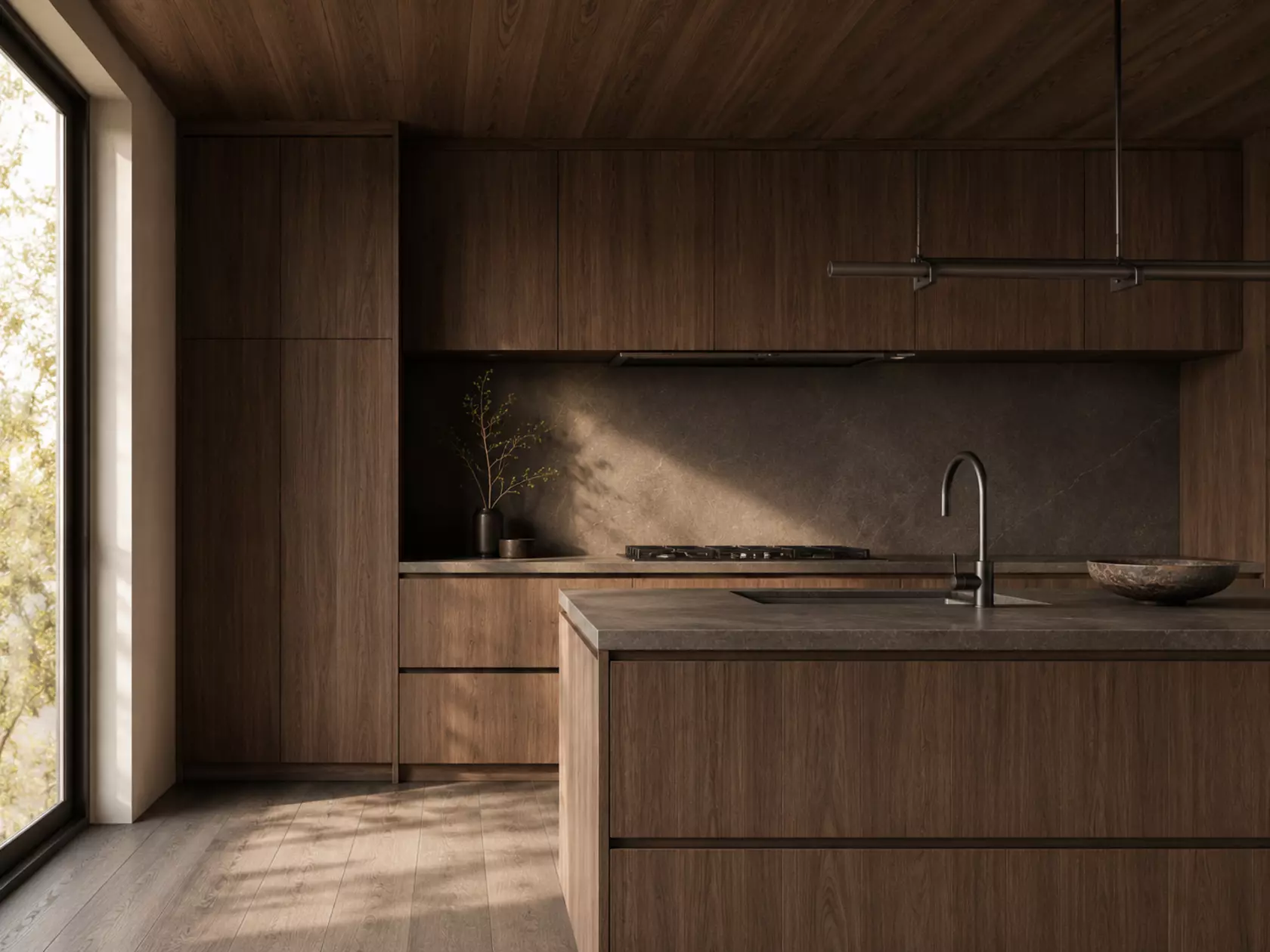
Our engineered timber flooring brings warmth and natural texture to ceiling applications, offering a refined alternative to standard ceiling finishes. Its authentic timber grain and tonal depth allow the same collections used underfoot to be carried overhead, creating visual continuity between floor and ceiling for a cohesive, elevated interior finish.

Walls

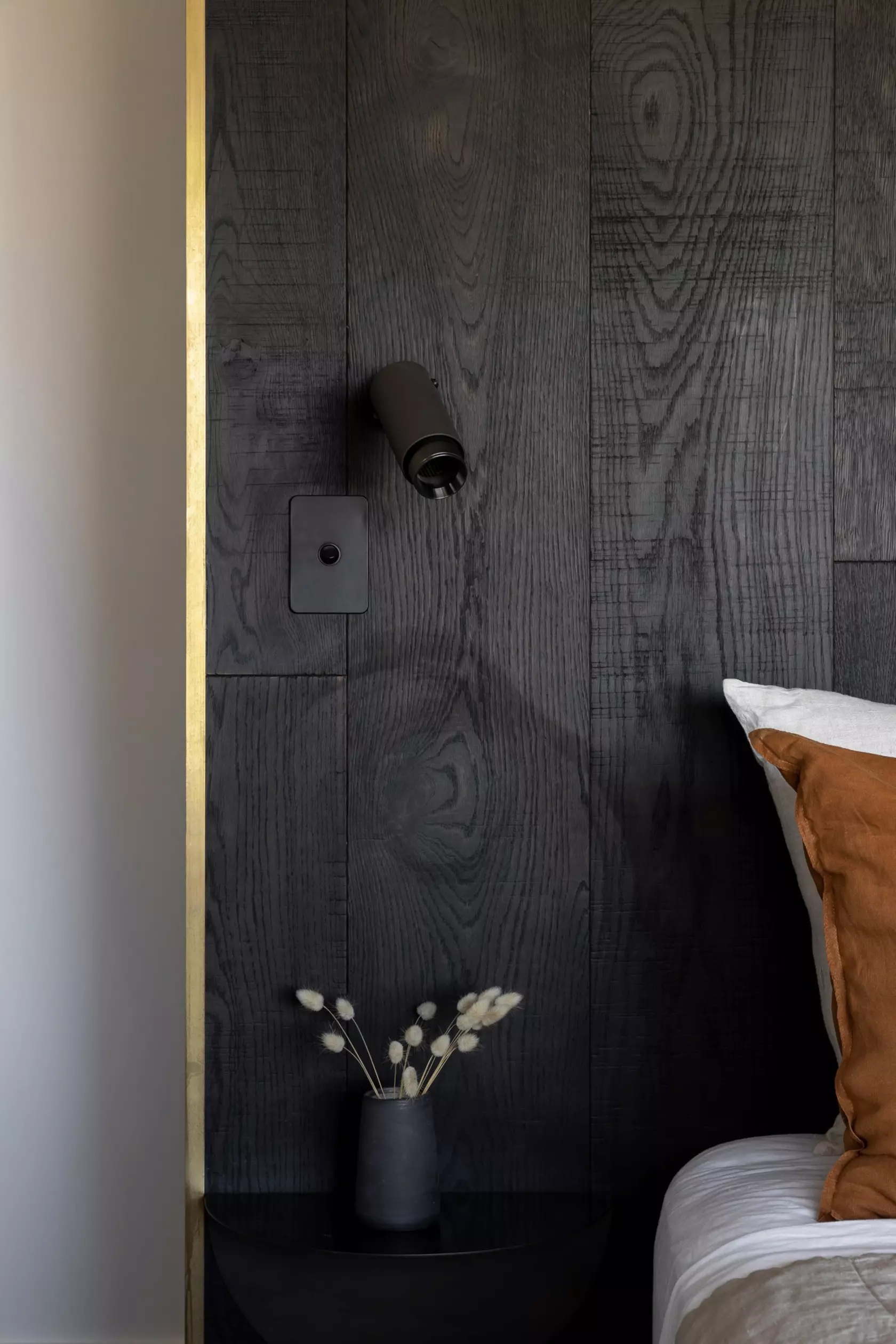
Beyond the floor, our engineered timber can be brought vertically into a space to form a feature wall, giving interiors a sense of depth and craftsmanship not achievable with paint or standard linings. Used across a stairwell, hallway or living space, the same grain and colour variation found in the flooring range translates naturally to a vertical plane, tying a home's material palette together from floor to wall.

Flooring to Decking Detailing

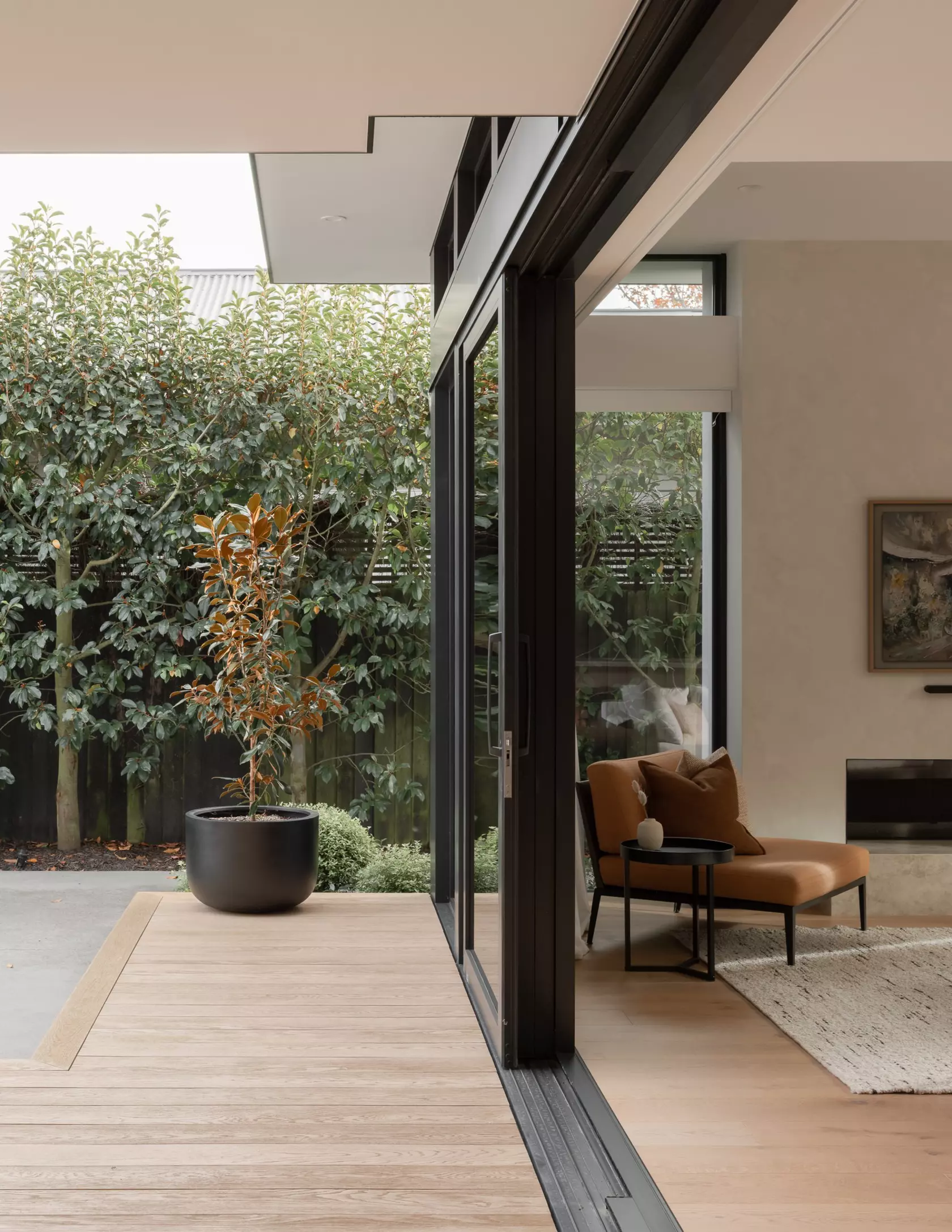
Create a seamless transition, that flows between interior and exterior plains, with complimentary tones and profiles. With flooring and decking available in complementary tones, we make it easy to carry a consistent material palette seamlessly from the inside to the exterior of a project. Alternatively, contrasting tones can be used to elevate detailing.

A Range of Specifications

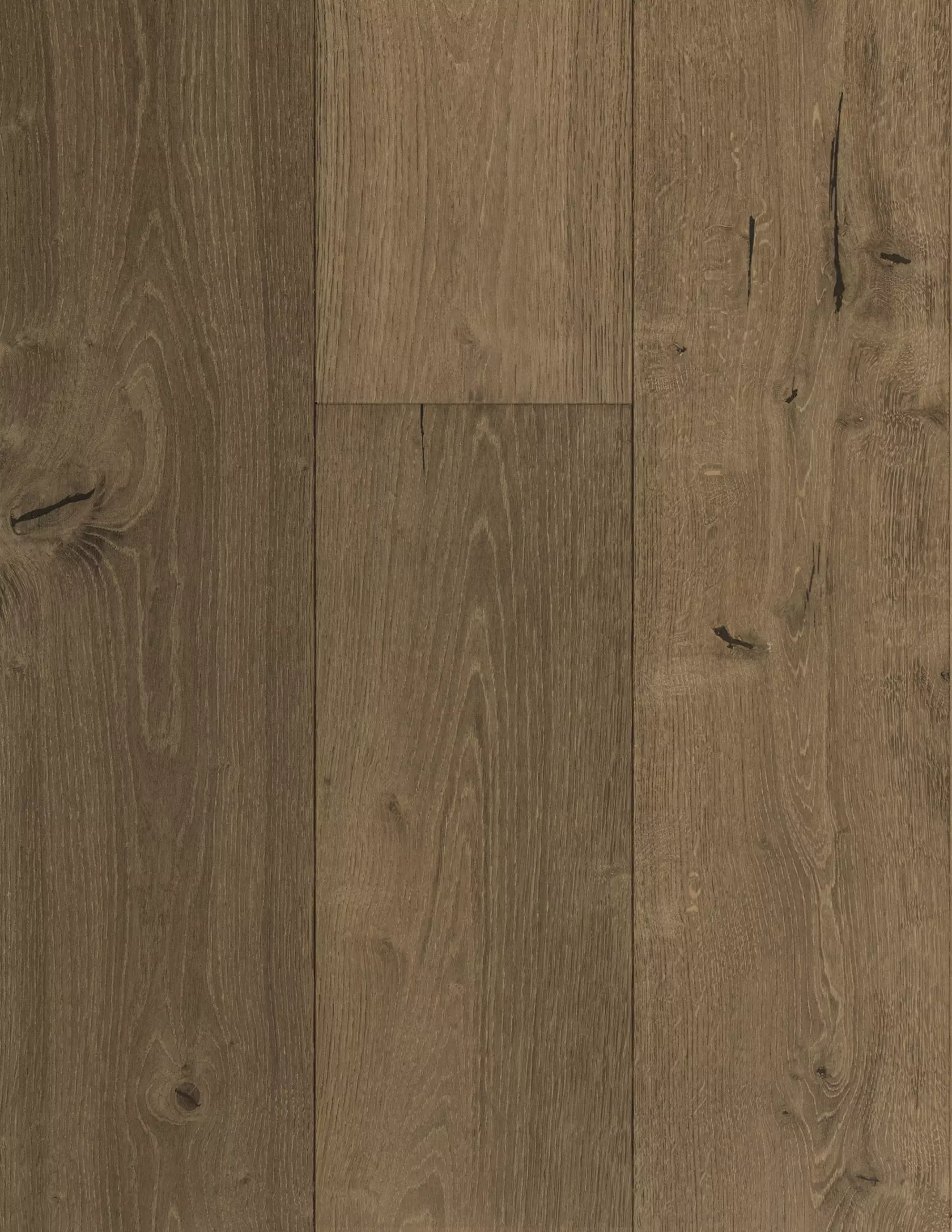
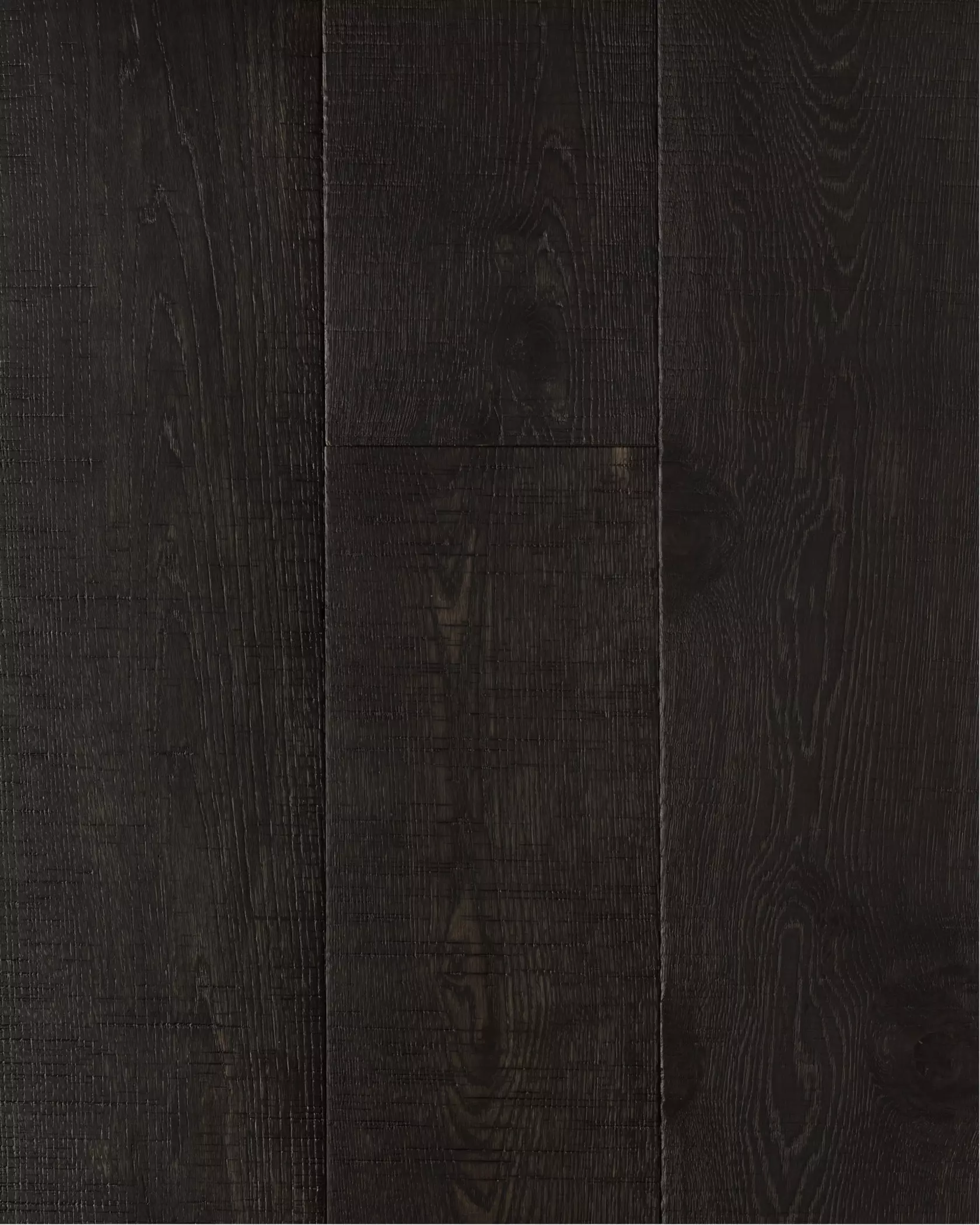
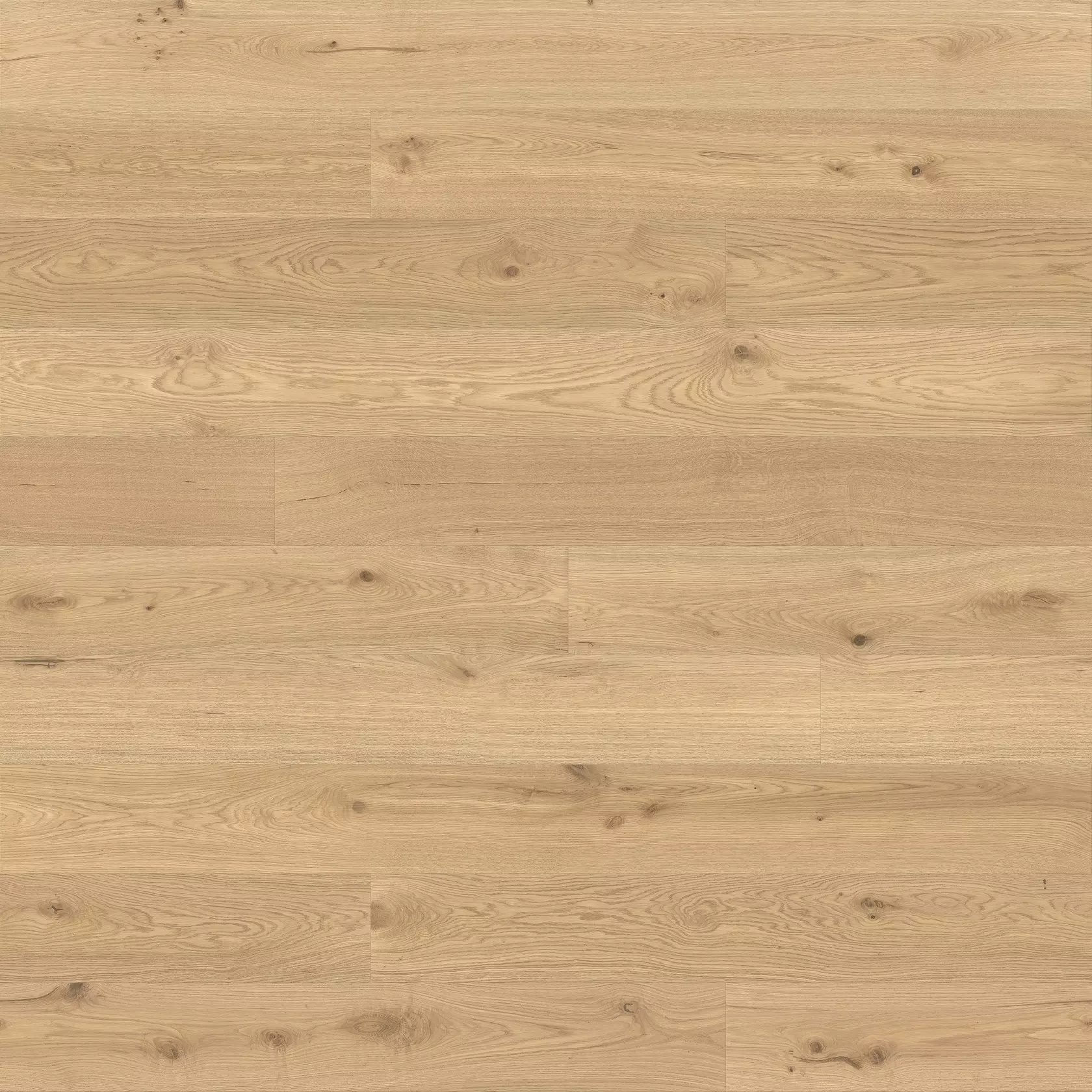
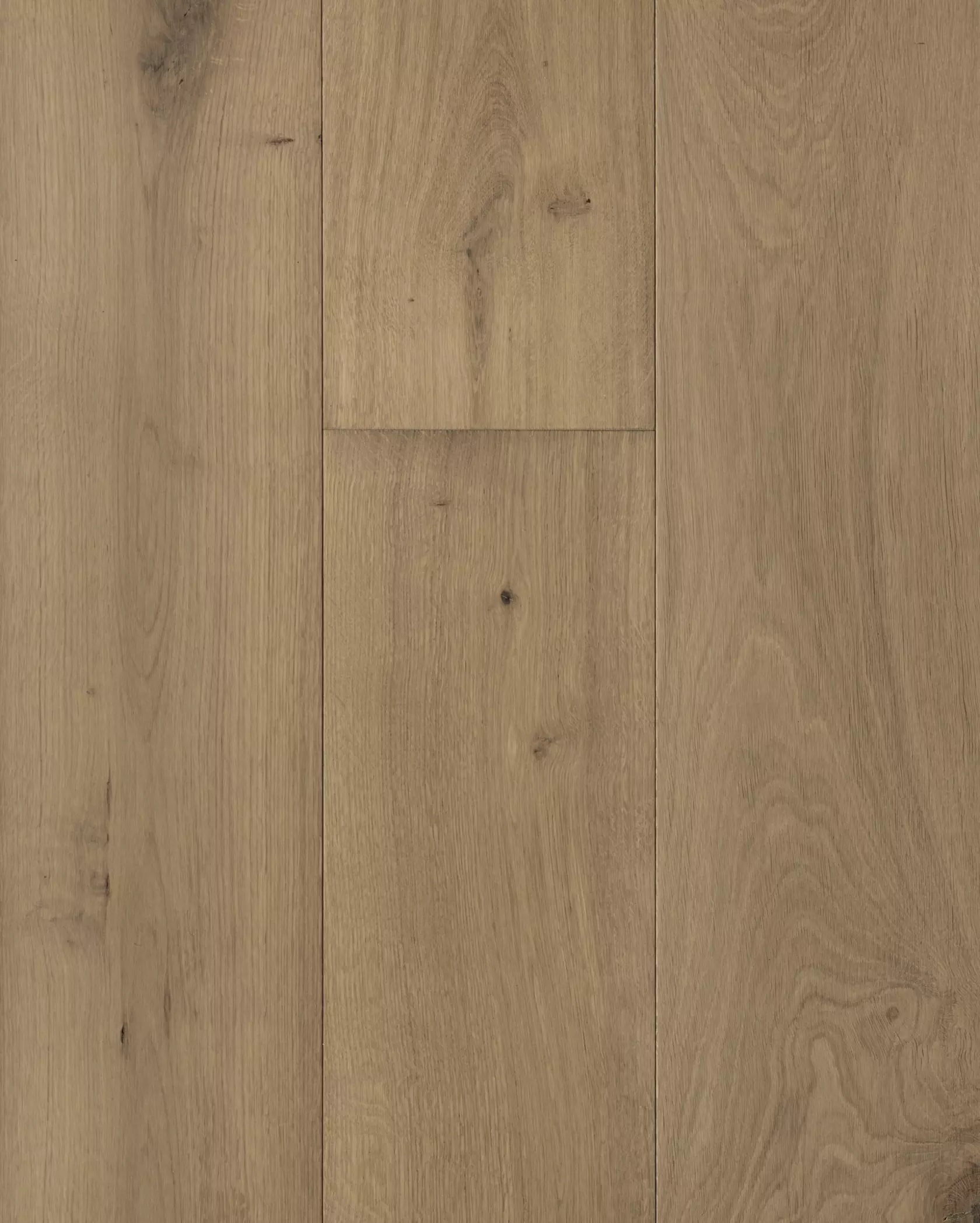
Across seven collections, our European Oak flooring offers extensive options in grade, dimensions, texture and finish to suit any space or style. Every board is prefinished with a durable UV-cured lacquer and precision tongue & groove joint profiles for consistent, long-lasting performance.

Specifications

Forté Collections

Species

European Oak

Grade

Prime, Light Feature, Feature, Rustic

Formats

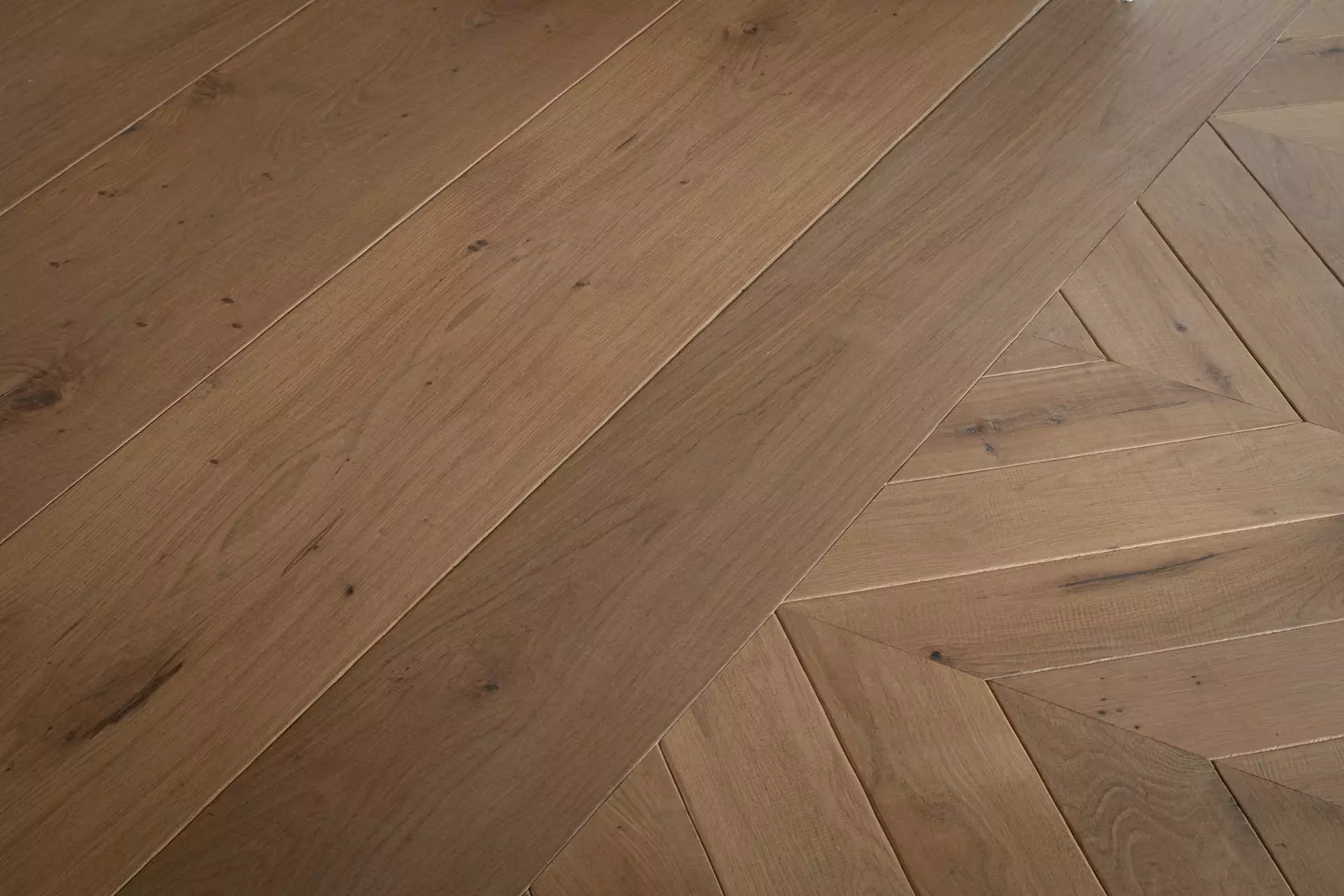
Plank, Herringbone, Chevron (Custom patterns on request)

Thickness

12mm - 21mm

Width

190mm - 250mm

Length

1830mm - 2500mm

Wear Layer

2mm - 6mm solid European Oak

Construction

Multilayer Engineered

Surface Finish Type

Prefinished UV Cured Lacquer

Surface Texture

Extra Lightly Brushed - Extra Heavily Brushed

Surface Sheen

3% - 8%+ gloss

Joint Profile

Tongue and Groove (4 sides)

7
Collections
14
Formats
49
Colours
160
SKUs
Specifying Forté Engineered Timber Flooring

The Timber Overlay Flooring System Design Guide is the reference point for specifying and detailing Forté's engineered timber collections with confidence. It covers the full system — from approved substrates and adhesive systems through to intertenancy acoustic performance, underfloor heating compatibility, wet area detailing, and stairway access requirements — giving specifiers the technical grounding needed to design a compliant, long-performing floor from the subfloor up.

Detailed system drawings and adhesive specifications accompany each substrate and condition, providing the construction detail required to translate the guide directly into working documentation.

Compliance is demonstrated under CodeMark CMNZ70143, with the system addressing NZBC requirements across durability, intertenancy acoustic performance (G6), wet areas (E3), stairway access (D1), and energy efficiency (H1). Every specification detail in the guide — from substrate build-ups to trims, transitions and stair nosing — is drawn from tested, documented practice, ensuring the system performs as intended across the full range of design conditions it's built for.

Download our Timber Overlay Flooring System Design Guide View Our CodeMark Certificate Specify on Masterspec View on Productspec View on Smartspec View on Programa View on EBOSS

Compliance & Testing

Forté's Timber Overlay Flooring System is certified under CodeMark CMNZ70143, demonstrating compliance with the relevant clauses of the New Zealand Building Code. Each clause has been independently tested and verified, giving specifiers a documented, reliable compliance pathway from concept through to Building Consent.

NZ Building Code Clause

Compliance Pathway

Demonstrated by

B1 STRUCTURE B1.3.1, B1.3.2, B1.3.3 (b, c, j)

Codemark CMNZ70143

650–720 kg/m3 wear layer density

B2 DURABILITY B2.3.1(c)

Codemark CMNZ70143

Tested to ISO 4760:2022E by IANZ accredited organisation

C3 FIRE AFFECTING AREAS BEYOND THE FIRE SOURCE C3.4(b)

Codemark CMNZ70143

Expert assessment to C/VM2, Table B1 for Critical Radiant Flux

D1 ACCESS ROUTES D1.3.3(d)

Codemark CMNZ70143

Tested in accordance with AS/NZS 4586.

E3 INTERNAL MOISTURE E3.3.3, E3.3.5, E3.3.6

Codemark CMNZ70143

Tested to ISO 4760:2022E by IANZ accredited organisation

F2 HAZARDOUS BUILDING MATERIALS (1ST EDITION) F2.3.1

Codemark CMNZ70143

Tested to AS/NZS 2098.11 for formaldehyde emission.

A Sustainable Choice

Forté is committed to reducing its impact on the environment across every stage of production, from responsible forest sourcing through to the long-term performance of the products themselves. This commitment is backed by third-party certification: Forté holds an FSC Promotional Licence and FSC Chain of Custody Certification (SGSHK-COC-510037), alongside PEFC Chain of Custody Certification (SGSCH-PEFC-COC-510014), ensuring products are sourced from forests managed to protect biodiversity, support local communities, and uphold fair labour practices.

Engineered timber itself carries genuine environmental advantages over solid timber. Because only the wear layer is solid hardwood, engineered flooring uses roughly a third of the timber resource required for solid timber of the same dimensions — alongside low VOC emissions, a long lifespan, and the ability to be recycled or repurposed at end of life.
Timber Flooring FAQ's
Flooring basics
What is solid wood flooring?

Solid wood flooring is 100% solid timber all the way through. Find out more

What is engineered wood flooring?

Engineered wood flooring consists of a natural hardwood veneer (typically 2–6mm thick) bonded to one or more backing layers of timber. Once installed, it looks identical to a solid timber floor but offers greater stability and a range of additional benefits.

Engineered wood is sometimes mistaken for laminate flooring because its layers are ‘laminated’ together. However, unlike laminate— which is a synthetic product designed to imitate wood—engineered wood flooring is made from real hardwood, offering authentic beauty and performance. Find out more

What is laminate flooring?

The term laminate flooring often gets confused with engineered wood flooring, however the two are very different. Laminate is an entirely man-made product with a surface that imitates the look of timber, whereas engineered wood flooring has a real timber surface layer. Find out more

What does prefinished mean?

Prefinished is a term used to describe wood flooring which has had finishing coatings applied in the factory as a part of the manufacturing process. Prefinished wood flooring should not require any further finishing after installation. Learn more

What does unfinished mean?

Unfinished wood flooring refers to raw, natural timber flooring (whether solid or engineered) that is supplied without any finishing coatings applied. This type of wood flooring is usually finished on site after it has been installed. Learn more

Flooring treatments, textures & finishes
What is a lacquer?

Lacquer is a type of finish that is used to seal the pores of wood, acting as a protective layer. Lacquer finishes offer a long-lasting, durable and low-maintenance finish.

What is natural oil?

Natural oil is a type of oil finish that absorbs into the pores of wood, rather than coating it with a film like lacquer. Natural oil finishes are typically less durable than lacquers and require periodic care and maintenance.

What is UV oil?

UV oil is a type of oil finish that absorbs into the pores of wood, and is hardened under UV light. UV oil finishes appear the same as natural oil but are typically more durable, although they still require periodic care and maintenance.

What is a reactive stain?

Reactive stains are solutions containing carefully selected natural chemicals that, when applied to certain species of timber, can cause a change in colour. Find out more

What is Sugi Ban?

Sugi Ban (also known as Shou Sugi Ban or Yakisugi) is a traditional Japanese method of wood preservation which involves charring the surface of wood with fire. Find out more

What does 'Brushed' mean?

When the surface of timber has been brushed with wire, which scrapes away the softer parts of the wood grain and leaves the harder grain intact. This results in a texture that follows the wood’s natural grain pattern. Learn more here.

What does 'Hand-scraped' mean?

Hand-scraped timber has an uneven, irregular surface which replicates the look of timber from earlier times that was cut by hand then scraped to achieve a more level surface. Learn more here.

What does 'Rough sawn' mean?

Rough sawn describes the texture of wood that has been cut using a saw, and which has not been sanded or planed afterwards. A rough sawn board will usually have an inconsistent surface, and distinct saw-markings. Rough sawn timber has a rustic ambience about it and is perfect for adding character to rustic and country styled interiors. Learn more here.

What is Smoked timber?

Smoked (aka fumed) timber has been treated with a chemical which causes the wood colour to darken whilst increasing colour variation. It can also result in a change of colour tone of the wood. Find out more.

Flooring installation
When working to a achieve a specific floor height, what height should I allow for glue?

We recommend allowing an additional 2mm on top of the thickness of your floor for glue. E.g. Thickness of floor covering + 2mm allowance for glue = total floor height allowance.

When working to a achieve a specific floor height, what height should I allow for underlay?

If you are installing your timber floor on an underlay you will need to allow for the thickness of the underlay you plan to use. E.g. Thickness of floor covering + allowance for underlay + 2mm allowance of adhesive to substrate + 2mm allowance for adhesive to underlay = total floor height allowance.
This is known as the double stick method.

How flat does my substrate need to be?

Your floor must be no more than 3mm uneven over 3 meters. This is as per NZS AS1884:2013.
For more information, please read our installation guides.

Flooring aftercare
How do I repair dents and scratches on my Forté floor?

Small Surface Scratches - Look to use Osmo Maintenance Oil (Hardwax or Silkmatte finishes) or Bona HD Traffic Extra Mat Polyurethane (Lacquer Finishes and apply this with an artist brush over the scratch. This should disguise the white mark and seal in any exposed timber. 

Medium Scratches or Small Dents - Briwax Filler Sticks are what we recommend. Just look for the shades that are a close match to your floor.
Shop for these here.

Major Dents and Scratches - Major damage will require a hardwax repair by a timber specialist or removal and replacement of the damaged plank using leftover product from the original installation. This should only be carried out by a professional floor installer.

Learn more

What is covered and not covered on my Forté floor?

Please refer to our warranties.

How do I care for my Forté floor?

Lacquer finishes

1. Clean the floor weekly from sand, dust and other debris with a vacuum cleaner with a soft bristle head. To prevent damage to the lacquer finish of your floor, ensure the wheels of the vacuum are clean and freewheeling.

2. Clean weekly with a Bona® Spray Mop and microfiber pad using Bona® Wood Floor Cleaner solution. Mop along the length of the board. Wipe the surface using a microfiber mop until the floor is nearly dry. Alternatively, use a Dyson Wash G1.

Hardwax oil & silkmatte finishes

1. Clean the floor weekly from sand, dust and other debris with a vacuum cleaner with a soft bristle head. To prevent damage to the lacquer finish of your floor, ensure the wheels of the vacuum are clean and freewheeling.

2. Clean weekly with a microfiber mop using the Osmo wash and care. Alternatively, use a Dyson Wash G1.

How do I protect and maintain my Forté floor?

For more information regarding periodic maintenance, please refer to our Care and Maintenance Guides.

Flooring general knowledge & FAQ's
What is Parquet Flooring

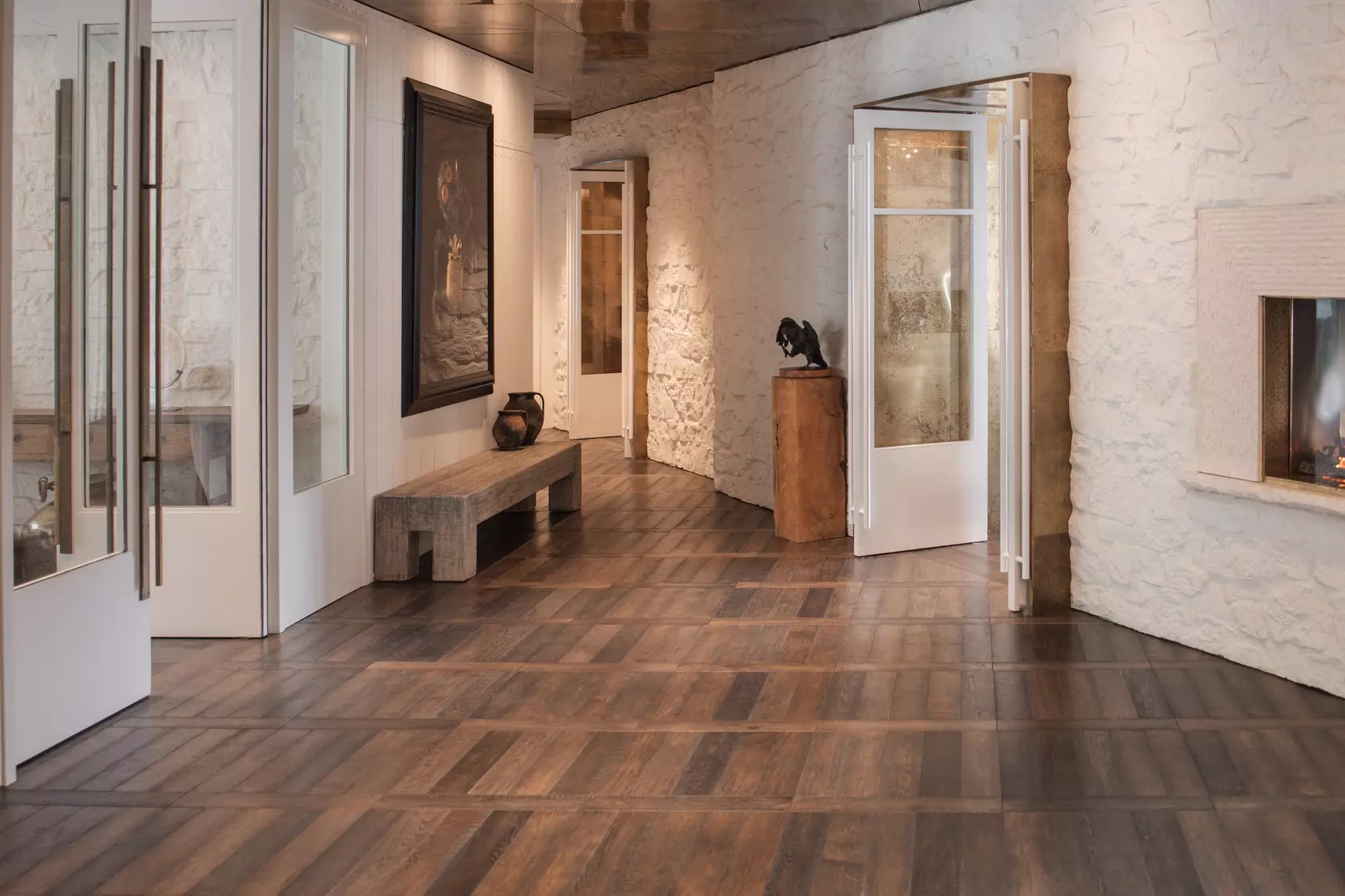
Parquet timber flooring is known for its striking geometric patterns. With its durability and beauty, this traditional style of flooring is a great way to add warmth and character to a space. Popular parquet styles in NZ include Herringbone and Chevron.

Learn More

What is the difference between Herringbone flooring and Chevron flooring?

Herringbone flooring pieces overlap on the ends to create a weave-like pattern, whereas Chevron flooring pieces meet together on the ends, creating a 'V' shape. Learn more here.

What is Herringbone flooring?

Herringbone wood flooring is a timeless and distinctive style defined by its iconic zigzag pattern, inspired by the skeletal structure of a herring fish. Composed of rectangular wood planks arranged in a precise V-shaped formation, this pattern creates a sense of movement and depth, bringing elegance and visual interest to any interior.

Learn more

What is Chevron flooring?

Chevron flooring is a refined and contemporary flooring style distinguished by its clean, continuous V-shaped pattern. Unlike herringbone, the ends of each plank are cut at an angle to meet precisely, creating a seamless zigzag design. This precise alignment produces a sense of symmetry and flow in interior spaces.

Learn more

What is wide plank wood flooring?

Wide plank wood flooring commonly ranges from 220mm - 260mm wide and above, highlighting the natural grain and character of the timber while creating a sense of openness and continuity through fewer visible joins. Standard plank widths, however, range from 180mm - 220mm wide.

Flooring edges, joints & profiles
What is a Square Edge?

When the edges on the face of the boards are square. Once the product is installed, the boards should meet together, providing a flat, uniform surface (unless the product is designed to appear otherwise).

What is a Bevelled Edge?

When the edges on the face of the boards are cut on a 45° angle, usually about 1-1.5mm from the board edge. Once the product is installed, this creates a 'V' groove between boards. Read our article about why timber floors have bevels.

What is a Micro-bevel?

When the edges on the face of the boards are cut on a 45° angle, 0.5mm from the board edge. Once the product is installed, this creates a tiny 'V' groove between boards. Read our article about why timber floors have bevels.